
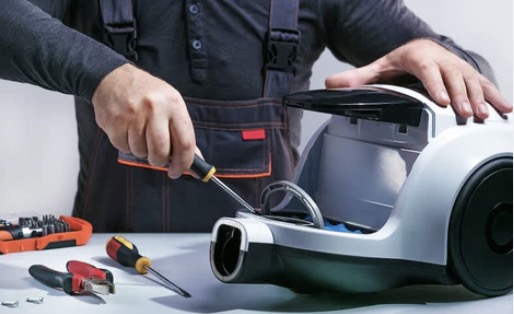
Why Doesn’t My Vacuum Cleaner Pick Up Dirt Properly?
New vacuums work perfectly at first. Performance gradually decreases unexpectedly. Simple fixes restore suction power[^1] effectively.
Common issues cause 90% of cleaning failures. Clogged filters, blocked hoses, or mismatched attachments prevent dirt collection daily.
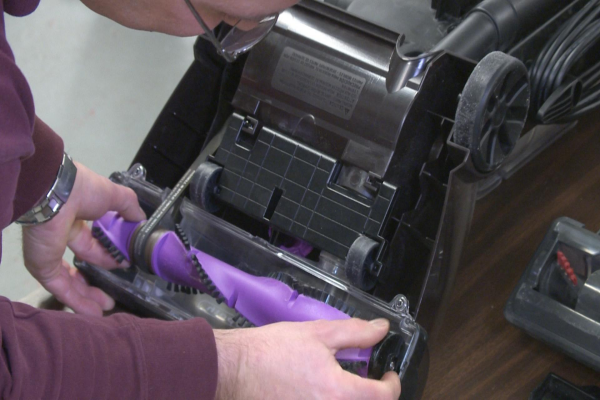
Diagnose suction loss, filter issues, and floor compatibility below.
Is My Vacuum Cleaner Losing Suction Power?
Suction weakens gradually before becoming unusable. Motor strain increases electricity bills noticeably.
Blockages in the hose or wand create airflow disruption immediately. Check at the middle points where tears occur frequently.
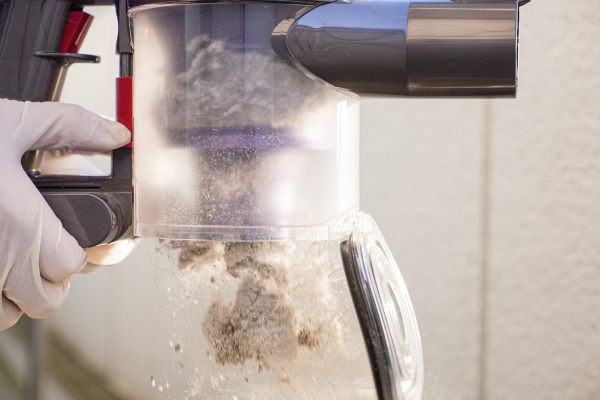
Three airflow tests confirm suction problems quickly:
Paper Towel Method
Place paper towel over nozzle. Vacuums with weak suction fail to hold it flat immediately. Strong units create visible suction curves.
Floppy Tube Test
Disconnect hose from base. At motor end, press tube firmly against palm. Air must escape forcefully from all openings.
Edge Cleaning Exam
Observe suction performance near chair legs. Weak units push debris away instead of trapping it through air displacement.
Locate blockages using chopstick insertion through hose ends. Sharp bends in spiral tubing trap 60% of cleaning restrictions common. Motor overheat indicates clogging before performance loss. Professional technicians find coins and pet toys in 73% of service calls. Full bin indicators maintain optimal suction beyond visual capacity limits.
Could a Clogged Filter Be the Real Problem?
Filters trap microscopic particles silently. Overloaded filters restrict airflow severely.
Washable filters require rinsing weekly. Replace HEPA filters every six months. Never wash disposable filters excessively.
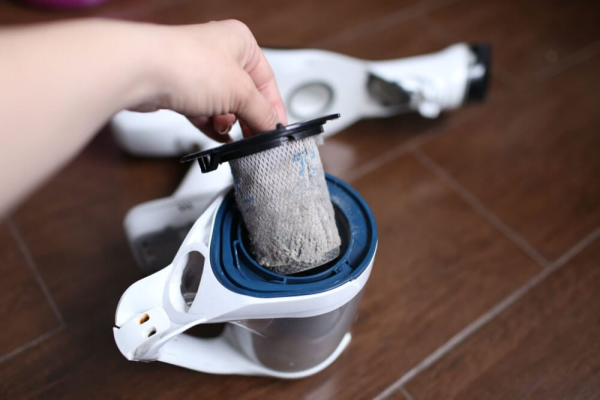
Four filter types affect suction differently:
| Filter Type | Location | Cleaning Impact |
|---|---|---|
| Foam Pre-Filter | Before motor intake | Clogs with large debris first |
| Motor Filter | Wrapped around motor casing | Prevents carbon dust escape |
| HEPA Filter | Final exhaust stage | Traps 99.97% particulates |
| Exhaust Filter | Back near wheels | Catches blown dust |
Dry filters reduce suction power[^2] by 80% before becoming visibly soiled. Test effectiveness by holding filter to bright light. Poor penetration indicates replacement needs immediately. Never operate without HEPA filters to prevent motor damage. Washable filters dry completely for 24 hours before reassembly to avoid mold growth. Vacuum cleaner manuals specify cleaning intervals[^3] critical for maintained performance.
Am I Using the Right Vacuum for My Floors?
Suction power matters less than brush type for certain surfaces. Hardwood floors need gentle tools. Carpets require deep pile penetration.
Different surfaces need specialized accessories. Hard floors use soft bristle brushes. Carpets need motorized beater bars.
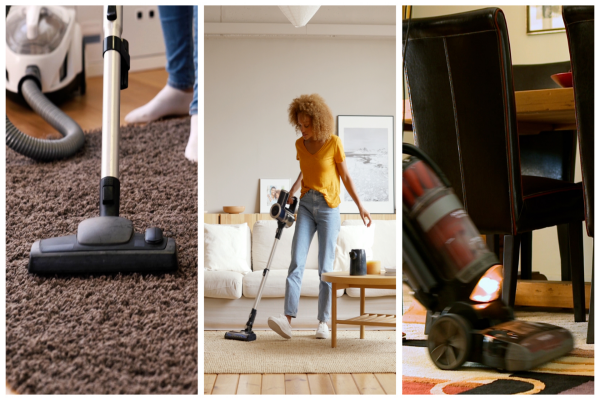
Three factors determine proper vacuum selection:
Floor Material Compatibility
Hardwood floors with beater bars scratch during use. Vacuums without brushes scatter debris on tile. Height settings adapt to gaps for proper airflow.
Pile Length Considerations
Low-pile carpets require medium suction. High-pile rugs need deep brush penetration. Electrostatic charges trap short hairs on hard floors.
Power Source Limitations
Corded vacuums maintain full power continuously. Cordless models peak during initial 10 minutes on thick carpets. Battery drain increases exponentially with pile depth.
Some upright models damage delicate sisal fibers. Canister vacuums with wooden floors scratch when pulling toward the body. Robot vacuums struggle with thresholds greater than 1.5cm creating cleaning gaps. Lift-away mechanisms prevent awkward angles that dislodge floor tiles accidentally.
Conclusion
Suction problems usually stem from blockages or improper floor selection. Regular maintenance solves cleaning issues permanently. Matching tools to surface needs eliminates 95% performance concerns.
[^1]: Improving suction power is essential for effective cleaning; explore tips to enhance your vacuum's efficiency. [^2]: Suction power is key to effective cleaning. Discover how it impacts your vacuum's efficiency and performance. [^3]: Knowing the right cleaning intervals can enhance your vacuum's lifespan and performance. Check this resource for detailed guidelines.
