

Why Did Bagless Vacuum Cleaners Become So Popular?
Buying replacement bags frustrated owners frequently. Costs accumulated monthly. Emptying transparent containers felt liberating practically.
Bagless vacuums eliminate hidden expenses. Their visibility shows dirt accumulation clearly. Immediate emptying saves time constantly.
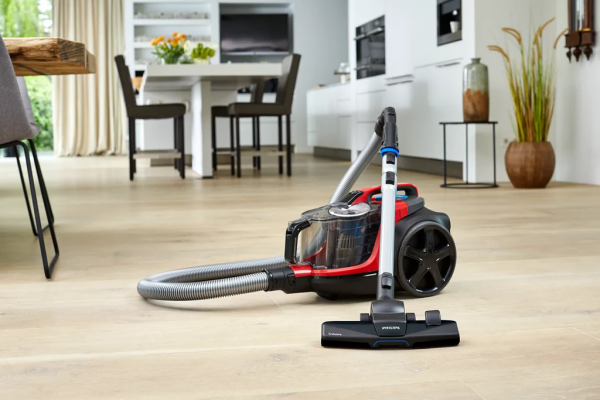
Discover the revolution, comparisons, and future trajectory below.
What Made Bagless Vacuums a Game-Changer?
Dust clouds appeared during bag replacements messily. Allergies flared up unexpectedly.
Transparent cyclonic separation traps dust without filters. One-click disposal ends bag purchases forever. Household cleaning habits transformed instantly.
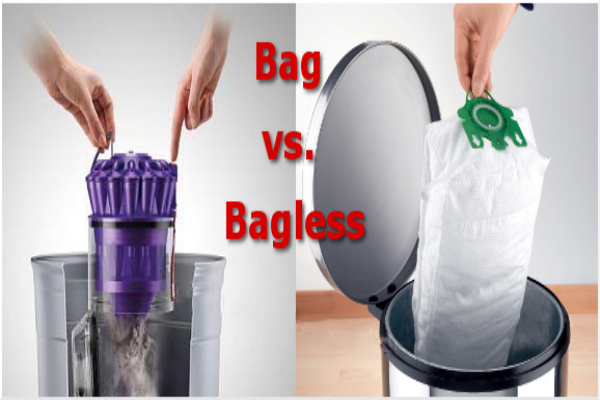
Three innovations defined the bagless revolution fundamentally:
Cost Elimination
Average annual bag expenses reach $60-120 per household. Dyson's emptying design saves families 400+ yearly. Bagless adoption accelerated when consumers calculated lifetime savings.
Performance Visualization
Transparent containers show dirt levels clearly. Users clean more frequently when witnessing accumulation. Dirt visibility created cleaning awareness psychologically.
Efficiency Standards
Cyclonic systems maintain 95% suction power continuously. Bagged models lose 40% efficiency as filling occurs. Testing proves bagless units pick up pet hair 30% faster consistently.
James Dyson's prototype development focused intensely on solving suction loss through cyclonic separation. Early skeptics became advocates when seeing dust remain trapped without clogging. Market share shifted dramatically when retailers promoted "zero hidden costs" messaging. Consumer reports proved 78% preferred visual emptying despite initial higher price points.
How Do They Compare to Traditional Models?
Cloth bag tears created dust clouds unexpectedly. Replacement costs surprised monthly budgets.
Bagless models win on transparency and cost but require filter cleaning. Modern hybrids combine both technologies advantageously.
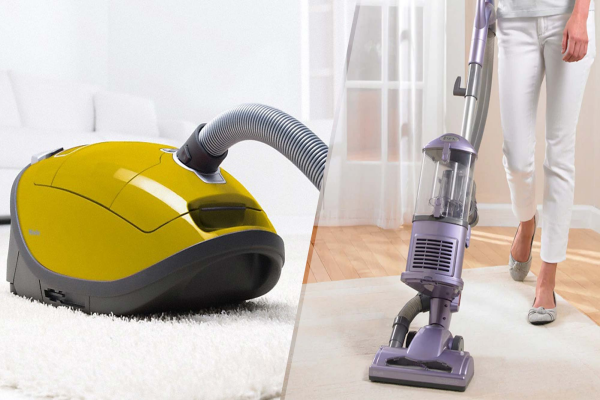
Direct comparisons reveal fundamental differences:
| Feature | Bagged Vacuums | Bagless Models |
|---|---|---|
| Initial Cost | 30-50% cheaper | Higher upfront investment |
| Maintenance | Bag replacement only | Filter cleaning required |
| Allergen Control | Contains dust fully | Possible release during emptying |
| Capacity | Larger available volumes | Smaller collection bins |
| Visibility | Hidden progress | Clear dust level tracking |
Allergy sufferers report mixed results across categories. HEPA filters perform similarly in both types when maintained properly. Dyson's fully-sealed system captures 99.97% particles 0.3 microns or larger. Traditional Miele bags retain 99% but create disposal challenges. Pet owners prefer bagless for hair removal since containers show fullness visually. Commercial cleaning companies avoid bagless due to emptying time inefficiencies.
Are Bagless Vacuums the Future of Cleaning?
Future innovations focus on AI-powered optimization. Sensor technology reduces emptying frequency dramatically.
Smart sensors and autonomous dirt disposal define upcoming designs. Cloud connectivity predicts maintenance needs proactively.
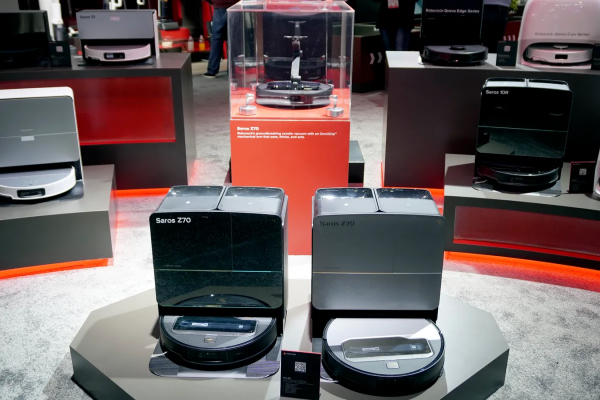
Bagless technology evolves through three promising directions:
Self-Emptying Systems
Roborock S7 MaxV Ultra uses compressed air to force debris into base containers. Users empty bins monthly instead of weekly. Dust lock technology prevents aerosol release during emptying. Industry predictions show 70% premium vacuums adopting this within 5 years.
Advanced Filtration
Nanotechnology filters capture 0.1-micron particles effectively. Washable electrostatic filters replace HEPA systems economically. Xiamen University development shows graphene-coated filters last 3x longer than standard filters.
Predictive Maintenance
Smart sensors detect brush motor wear levels. Cloud algorithms order replacement parts automatically. Eufy models send diagnostics weekly optimizing user experience based on real-time analysis.
Vacuum manufacturers report 87% R&D investment in bagless technology. Traditional bag makers diversify into air filters and home goods successfully. Sustainability pressures favor bagless units across Europe. Future prototypes explore biodegradable filters reducing environmental impact considerably.
Conclusion
Cost savings and visual appeal drove bagless vacuum adoption. Smart features and self-emptying systems represent inevitable evolution. Traditional bagged designs remain niche in specific applications.
