
Why Choose a Wet-Dry Vacuum Cleaner?
Liquid spills turn cleanup chaotic instantly. Water damages motors in regular vacuums inevitably. Wet-dry models solve this dilemma permanently.
They handle solid debris and standing liquids simultaneously through isolated airflow systems. Industrial builds withstand extreme materials aggressively.
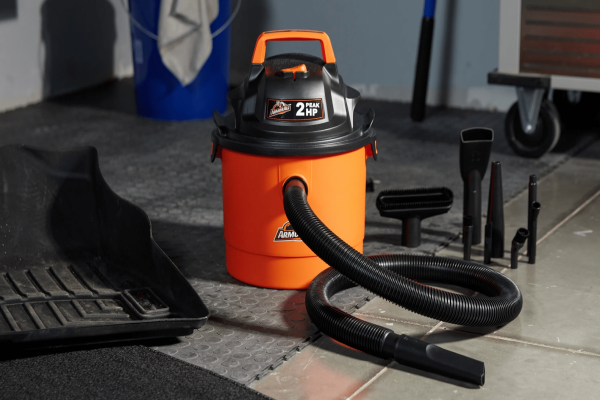
Discover operational mechanics, tangible advantages, and ideal user profiles below.
How Does a Wet-Dry Vacuum[^1] Work?
Walls repel water during flood recovery hopelessly. Debris floats out of traditional buckets repeatedly.
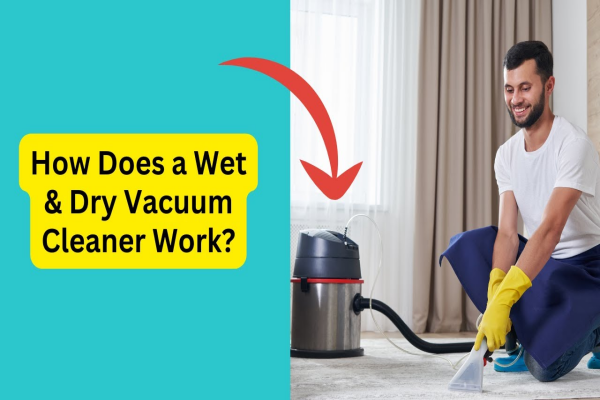
Separated chambers isolate liquids from airflow paths using float valves. Motors remain protected via moisture-sealed compartments exclusively.
| Component | Dry Mode Function | Wet Mode Function |
|---|---|---|
| Moisture-Sealed Motor[^2] | Creates airflow vacuum through enclosed casing | Prevents electrical exposure during spills |
| Detachable Poly Tank | Collects heavy particulate matter rapidly | Contains liquid volumes up to 30 liters |
| Float Valve System[^3] | Enables continuous solid particle extraction | Blocks liquid ascent during filling |
| Multi-Stage Filtration[^4] | HEPA traps allergens in replaceable paper bags | Foam sleeves filter slurry mixtures safely |
| Drainable Base | Offers solid waste disposal convenience | Releases liquid content without spills |
Three actions complete debris removal cycles. First: air currents enter through nozzles accelerating particles into containment units. Second: float mechanisms separate liquid surges redirecting them into specialized chambers automatically. Third: exhaust systems expel cleaned air while sealing hazardous particles within tanks securely. Unlike household vacuums: industrial-grade components tolerate gravel chunks or paint sludge without damage consistently. Maintenance requires simple filter rinsing rather than expensive part replacements.
What Are Its Cleaning Benefits?
Two separate tools gather dust post-renovation inefficiently. Wet messes ruin carpet-only equipment permanently.
Versatility reduces time investment by 75% daily. Single-device handling improves spill response drastically.
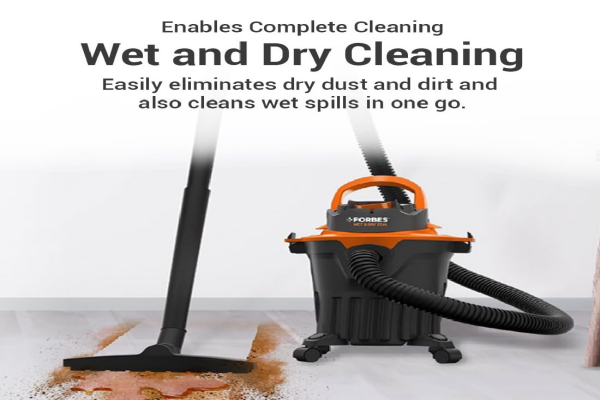
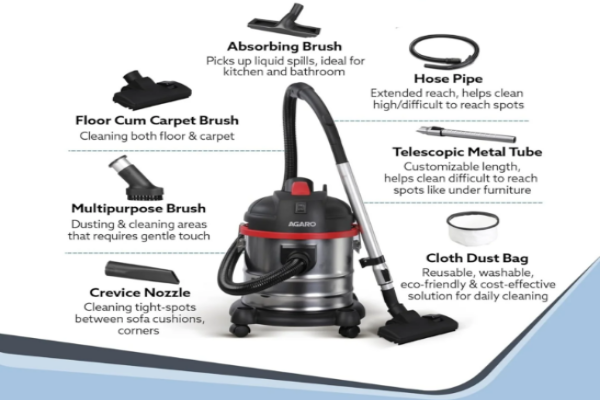
Five advantages dominate commercial settings. Liquid extraction capacity clears flooded basements within minutes decisively - no manual scooping required anywhere. Construction site cleanup handles plaster dust then soaks up coolant leakage immediately afterward safely. Garage utility shines through greasy oil absorption followed by glass fragment collection seamlessly. Car interiors transform quickly: seats become spotless via wet shampooing attachments then debris collection follows sequentially. Integrated accessories like squeegee wands allow window cleaning transitions without switching tools repeatedly. Cost-per-use metrics outperform specialized units within three months typically.
Who Is It Best Suited For?
Standard vacuums choke on workshop materials regretfully. Home floods overwhelm household tools completely.
Industries involving fluids or industrial particulates gain maximum return here. Contractors require this functionality daily.
| User Group | Primary Usage Needs | Model Recommendations |
|---|---|---|
| Renovation Contractors | Construction dust plus paint spills | 40L+ drum capacities |
| Auto Workshops | Oil removal and metal fragment collection | Anti-corrosion alloy tanks |
| Facilities Management | Post-storm floods and routine floor washing | Wide-track mobility bases |
| Farming Operations | Grain overflow and stable liquids | Explosion-proof motors |
| Homeowners | Basement floods and renovation cleanup | Compact apartment designs |
| Catering Staff | Kitchen spills followed by dining area debris | NSF-certified sealed units |
Specific scenarios demand wet-dry superiority emphatically. Disaster response teams deploy high-capacity units extracting water while filtering hazardous contaminants simultaneously. Woodworkers capture fine sawdust preceding varnish drips efficiently using nozzle conversions. Restaurant owners prevent slip hazards by cleaning greasy floors and broken glass in unified operations. Families handling flooded basements avoid mold risks via immediate moisture extraction capabilities. Industrial environments utilize spark-resistant versions for combustible powder cleanup exceptionally.
Conclusion
Choose wet-dry vacuums for liquid/solid versatility, unmatched job efficiency, and industrial-grade reliability across diverse cleaning challenges daily.
[^1]: Explore the advantages of Wet-Dry Vacuums to understand why they are essential for effective cleaning. [^2]: Learn about the technology behind Moisture-Sealed Motors and their role in preventing electrical hazards. [^3]: Discover how Float Valve Systems enhance the efficiency of wet-dry vacuums during liquid cleanup. [^4]: Understand the importance of Multi-Stage Filtration for maintaining air quality while cleaning.
