
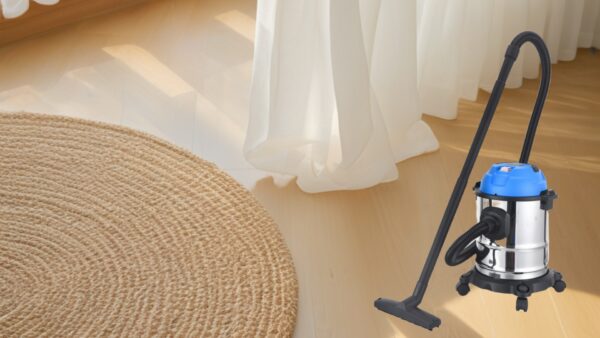
Which is the Best Wet and Dry Vacuum Cleaner for Home?
Overwhelmed by options when choosing a vacuum for both wet and dry messes at home? You're not alone.
For home use, the best wet and dry vacuum cleaner[^1] should offer powerful suction, HEPA filtration[^2], and easy-to-switch modes for wet and dry cleaning. Consider models like the Bissell CrossWave or the Dyson V15 Detect for their efficiency and durability.
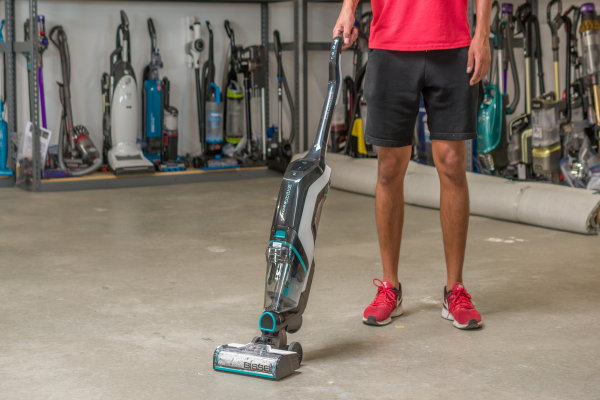
Finding the right model can simplify cleaning tasks and enhance your home's hygiene effortlessly.
Will I Ruin My Vacuum Cleaner if I Were to Vacuum Up Water?
Worried about the damage water could cause your vacuum cleaner?
Yes, using a regular vacuum cleaner to suck up water risks damaging the motor and can result in electrical hazards. Only specialized wet and dry vacuums are designed to safely handle liquids without compromising functionality.
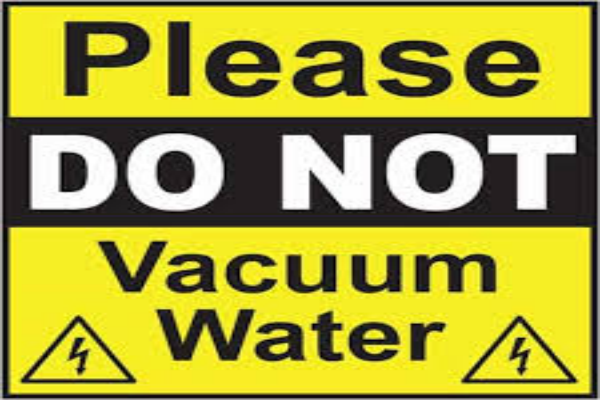
Understanding Vacuum Compatibility with Water
It's vital to distinguish between standard and wet-dry vacuum cleaners to avoid costly mistakes. Here's what you need to know:
Potential Damage:
- Motor Damage: Standard vacuums aren't sealed to prevent water from reaching the motor.
- Electrical Risks: Water can cause electrical failures or short-circuit components.
- Warranty Issues: Using vacuums against their intended purpose might void warranties.
Suitable Vacuums:
- Wet/Dry Vacuums: Designed to handle both wet and dry messes with no damage.
- Key Features to Seek:
- Dual tank systems
- Water filter options
- Durable components designed for damp environments
Will Sucking Up Water Ruin a Household Vacuum Cleaner?
Feel tempted to test your vacuum's limits with a liquid spill?
Using a household vacuum cleaner to suck up water can lead to serious damage, including impaired motor function and potential hazards. Wet and dry vacuums are specially built for handling such tasks safely.
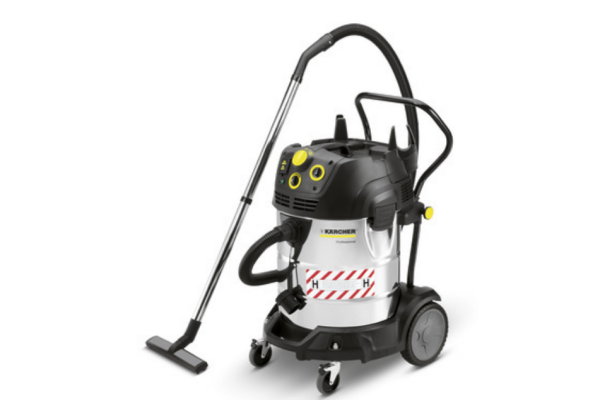
Risks of Using Household Vacuums on Water
Recognize the potential for significant damage when improperly using a vacuum cleaner. Here's the breakdown:
Risks:
-
Electrical Hazards[^3]:
- Risk of shocks or appliance failure; water can short-circuit internal components.
-
Motor Damage[^4]:
- Water contact can lead to corrosion, seizing, or irreversible damage.
-
Warranty and Safety Concerns:
- Improper use may void existing warranties and compromise safety features.
Preventive Measures:
- Always ensure you have a wet/dry specialty vacuum if there's a risk of encountering liquid spills.
- Invest in a water-suction capable model to avoid unnecessary risks.
Is a Shop Vac OK for Normal Household Use?
Curious if your versatile shop vac can tackle household chores too?
Shop vacs can be used for normal household cleaning due to their powerful suction and adaptability. However, their bulk and lack of specific attachments for delicate surfaces may limit use around furniture and carpets.
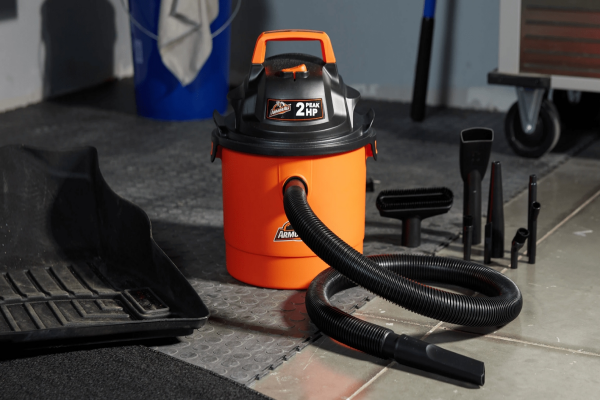
Evaluating Shop Vac for Home Use
While shop vacs excel in power and versatility, consider these factors for typical household cleaning:
Advantages:
-
Powerful Suction[^5]:
- Efficient for heavy-duty tasks and large messes.
- Handles liquid spills with ease.
-
Versatility[^6]:
- Suitable for garages, basements, and outdoors.
- Multi-surface compatibility.
Limitations:
-
Size and Weight:
- Typically larger and bulkier, requiring storage space.
- May not be ideal for smaller homes or frequent movement.
-
Precision Cleaning:
- Lack of specialized attachments might affect cleaning quality on delicate surfaces.
Recommendations:
- Use for occasional deep cleaning tasks or in areas requiring heavy-duty performance.
- Pair with traditional vacuums for routine household tasks.
Conclusion
Choosing the right vacuum cleaner depends on your specific cleaning needs. Wet and dry vacuums and shop vacs offer unique advantages but serve different purposes. Prioritize safety and functionality for a cleaner, hazard-free environment.
[^1]: Explore this link to discover top-rated wet and dry vacuum cleaners that combine efficiency and durability for your home. [^2]: Learn about HEPA filtration and its importance in maintaining a clean and healthy home environment. [^3]: Understanding electrical hazards can help you avoid dangerous situations and ensure safe cleaning practices. [^4]: Learn about the risks of motor damage to protect your vacuum and maintain its longevity. [^5]: Discover the technology behind powerful suction in shop vacs to enhance your cleaning efficiency. [^6]: Explore the versatility of shop vacs to maximize their use in various cleaning scenarios.
