
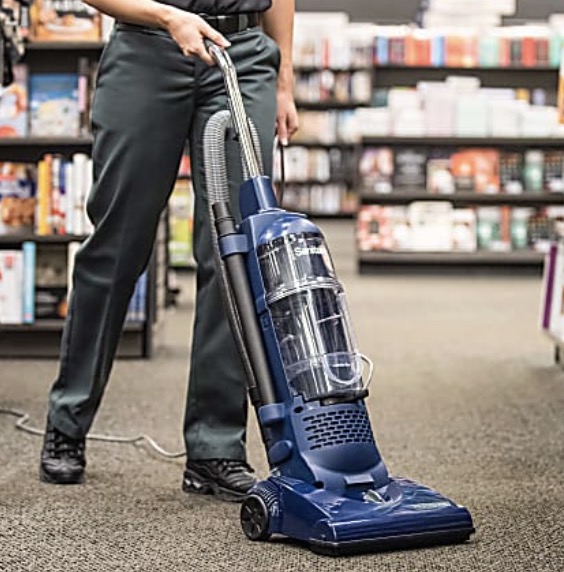
What Are the Types of Commercial Vacuum Cleaners?
Large spaces require specialized cleaning. Wrong equipment fails faster increasing costs. Match your space with designed solutions for long-term efficiency.
Uprights, canisters, backpacks, wet/dry, and robotic vacuums serve different commercial needs specifically. Consider size, flooring, and debris types first.
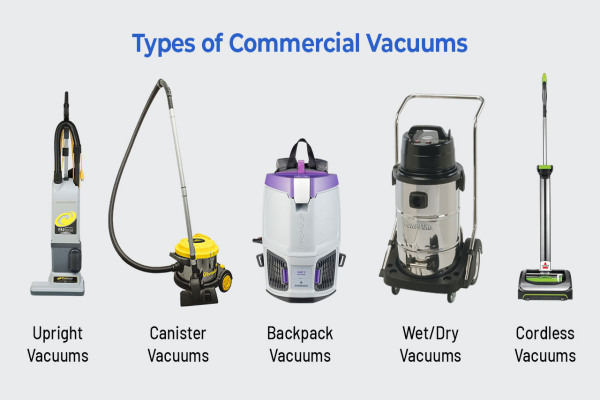
Discover selection strategies, emerging innovations, and essential upkeep practices below.
How to Choose the Right Commercial Vacuum Cleaner?
Overpowered units waste energy. Underpowered models miss contaminants.
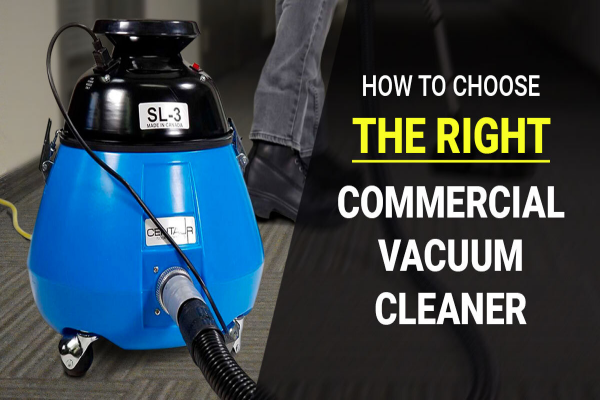
Assess floor materials, debris volumes, and operator mobility. Prioritize ergonomics[^1] over price alone.
| Factor | Small Spaces | Large Facilities | Industrial Sites |
|---|---|---|---|
| Unit Type | Compact upright/canister | Backpack/robotic | Wet-dry machines |
| Suction Strength | 80-100 AW | 100-140 AW | 20+kPa for liquids |
| Maneuverability | Swivel head essential | Hip-mounted flexibility | Wide-track stability |
| Filtration Needs | Basic dust bags | HEPA for allergens[^2] | Explosion-proof containment |
| Noise Tolerance | <68 dB critical | 70-80 dB acceptable | Ear protection mandatory |
Five criteria identify optimal matches. Carpet density demands brush roll adjustability - low piles need gentle agitation. Concrete warehouses favor tank-style wet/dry[^3] models collecting metal debris safely. Office complexes prefer robotic units operating during off-hours quietly. Schools require backpack units for swift hallway transitions between classes. Budget restaurants select washable-filter canisters managing daily crumb loads economically. Test units on actual flooring samples to verify real-world performance conclusively.
What Are the Latest Technologies in Commercial Vacuums?
Outdated systems increase labor hours. Manual operation limits coverage consistently.
Smart sensors, automation, and eco-design reduce human intervention significantly. Lithium batteries extend run times remarkably.
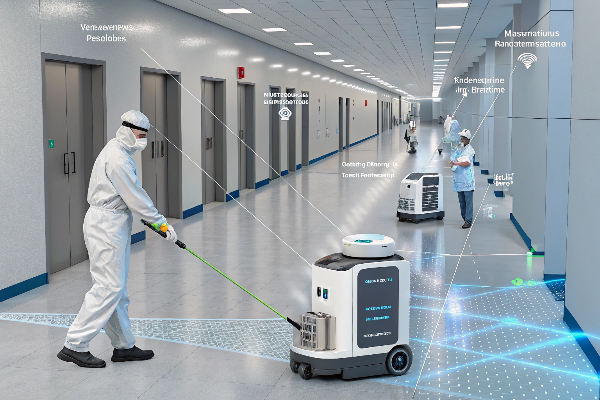
Modern features transform cleaning operations fundamentally:
- Mapping intelligence: Lasers create spatial charts enabling robotics to cover 15,000sqft autonomously daily
- HEPA+ filtration: Triple-sealed systems capture 99.99% nanoparticles ideal for hospitals/labs
- Battery breakthroughs: Fast-swappable cells provide 8-hour continuous runtime replacing corded models
- IoT connectivity: Live usage data alerts managers about bin fullness or filter replacements
- Micro-adjustment: Brush rolls adapt automatically to hardwood-tile-carpet transitions
- Self-emptying: Docking stations empty collected waste reducing staff contact
Healthcare trials reveal 40% pathogen reduction when using UV-C enabled units between patient rooms. Warehouse robots now navigate around pallets using lidar avoiding collisions. Ergonomic backpacks integrate weight-distribution frames reducing operator fatigue. Each innovation addresses worker shortages and stricter hygiene standards proactively.
What Are Key Maintenance Tips for Commercial Vacuums?
Neglected units lose suction immediately. Repair costs exceed replacements often.
Empty containers daily and inspect hoses weekly. Schedule professional servicing quarterly.
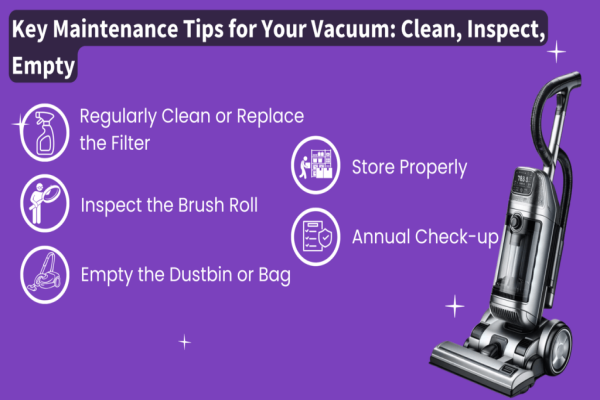
| Action | Frequency | Critical Steps | Mistake Prevention |
|---|---|---|---|
| Container Care | After each use | Rinse wet tanks, wipe dry bins | Avoid mold buildup |
| Filter Handling | Weekly/monthly | Tap debris off pre-motors; HEPA wash | Damaged seals void warranties |
| Brush Roll Check | Fortnightly | Remove threads/hair; test spin | Frayed belts cause motor fires |
| Part Lubrication | Quarterly | Apply silicone on pivot points | Oil attracts dust particles |
| Professional Audit | Bi-annually | Motor inspection, cable assessment | DIY repairs risk electrocution |
Implement protocols preventing 90% maintenance failures[^4] easily. Label filters with expiration dates ensuring timely replacements automatically. Designate floor-specific units to minimize cross-contamination risks. Training videos demonstrate proper hose detachment techniques preventing connector fractures. Always store units upright on chargers maintaining battery health optimally. Technicians recommend cleaning solution concentrations below 10:1 to preserve tank integrity.
Conclusion
Match facility needs with specialized types, adopt smart innovations, and maintain rigorously for commercial vacuum efficiency and longevity.
[^1]: Discover how ergonomic designs enhance user comfort and efficiency in cleaning tasks. [^2]: Understand the significance of HEPA filters in maintaining air quality in commercial spaces. [^3]: Discover the versatility of wet/dry vacuums for handling diverse cleaning tasks. [^4]: Identify key maintenance practices to prevent costly failures and extend vacuum life.
