
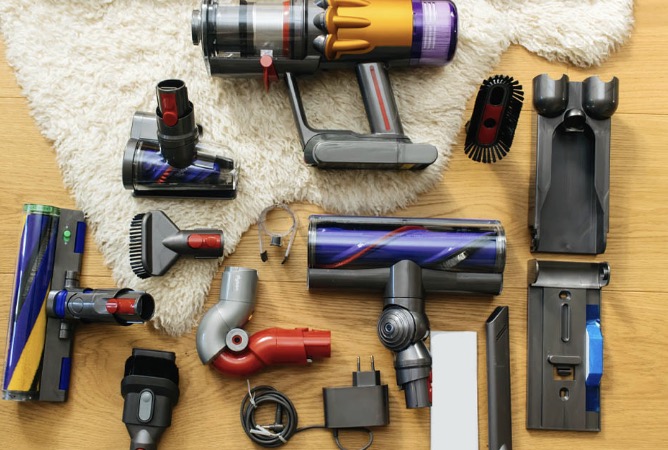
What Are The Different Vacuum Cleaner Heads?
Vacuum efficiency drops when wrong heads handle surfaces. Pet hair accumulates despite repeated attempts. Knowing each head's specialty solves these frustrations.
Specialized heads tackle unique debris types and surfaces optimally. Matching attachments to tasks revolutionizes cleaning results instantly.
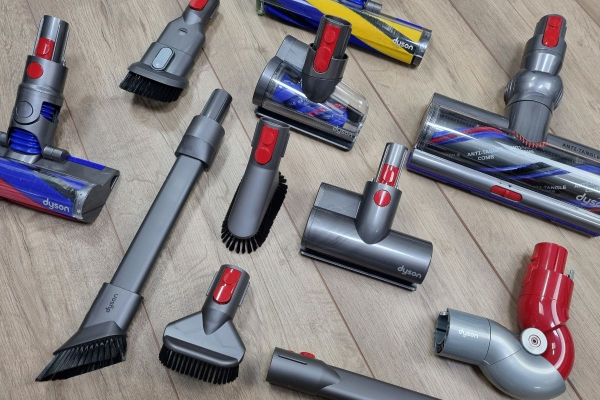
Discover head replacement timing, surface pairing secrets, and multi-tool advantages below.
When Should You Change Vacuum Cleaner Heads?
Bristles snap mid-cleaning after snagging carpet loops. You spend extra time redoing incomplete cleanups constantly.
Replace heads when bristles wear 30% shorter than original lengths. Damaged wheels warrant immediate swap-outs permanently.
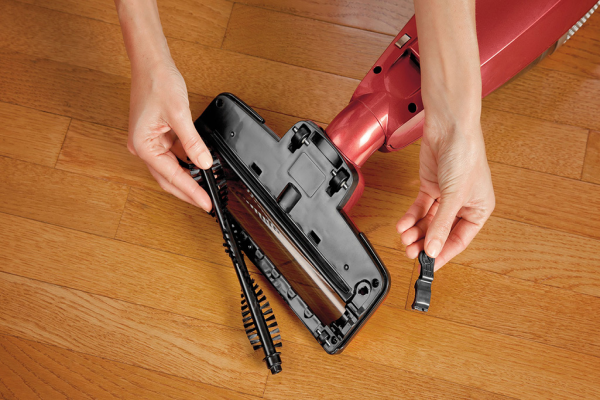
Three degradation patterns dictate urgency. First: uneven bristle wear indicates one-sided pressure during operation. Second: cracked plastic casings risk sudden disintegration during strong suction. Third: jammed rollers strain motors irreversibly when bearings seize solid. For households with thick rugs or pets, inspect heads every 60 operating hours. Remember: replacement rollers require power ratings matching your vacuum's motor specs exactly.
How To Choose The Right Vacuum Head For Surfaces?
Floor scratches appear post-cleaning unexpectedly. You switch between attachments constantly seeking effectiveness.
Match head mechanics to texture variables thoroughly. Material compatibility prevents surface damage absolutely.
| Surface Type | Optimal Head[^1] | Features | Avoidance |
|---|---|---|---|
| Hardwood Floors | Soft Bristle Brush | Anti-scratch silicone strips | Rotating bristle brushes |
| Low-Pile Carpets | Standard Roller | Medium-height bristles | Heavy roller brushes |
| High-Pile Rugs | Variable Height Brush | Self-adjusting suspension | Fixed-height tools |
| Tiles & Grout | Turbo Nozzle[^2] | Concentrated suction vents | Fluffy dusting brushes |
| Pet Hair Terrain | Motorized Tangle-Free Roller[^3] | Anti-hair-wrap mechanism | Static rubber squeegees |
Consider three critical elements during pairings. Airflow velocity needs adjustment for coarse sand versus fine dust - grout cleaning demands focused output exceeding general floor use. Bristle density suits specific textiles: shag rugs require sparse patterns preventing tangling while flat surfaces benefit densely packed rows. Always ensure head clearance matches furniture heights to avoid impact damage during under-table navigation.
What Are The Benefits Of Using Multiple Vacuum Heads?
Inappropriate heads leave stubborn dirt untouched. You move furniture manually accessing unreachable crannies daily.
Dedicated heads provide complete coverage without compromises. Specialization equals time savings directly.
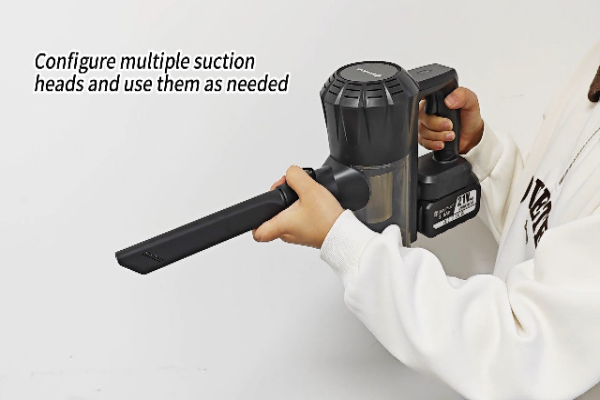
Interchangeability grants strategic flexibility particularly. Turbo nozzles destroy packed dirt in seconds versus soft brushes merely dusting superficial layers. Flexible crevice tools[^4] navigate radiator gaps that rigid heads bypass completely. Carpet shampooer attachments hydrate fibers without separate equipment investments. Economically: investing in heads now prevents machine replacements later since reduced whole-unit workload minimizes cumulative wear damage remarkably. Studies show properly equipped vacuums clean areas 43% faster than singular attachments.
Conclusion
Replace damaged heads promptly, match tools to surface textures, and leverage specialized attachments for faster effective cleaning.
[^1]: Discover the best vacuum heads for various surfaces to enhance your cleaning efficiency and protect your floors. [^2]: Explore how turbo nozzles enhance suction power and make cleaning stubborn dirt a breeze. [^3]: Learn how a motorized tangle-free roller can effectively tackle pet hair and improve your cleaning routine. [^4]: Find out how flexible crevice tools can help you reach tight spaces and improve your overall cleaning effectiveness.
