

Stick with Your Vacuum? The Robot Helper Truth Revealed
Is your traditional vacuum costing you precious time? Robot vacuums promise convenience, but do they deliver?
Robot vacuums require minimal setup and maintenance, freeing up time for other tasks while offering efficient cleaning.
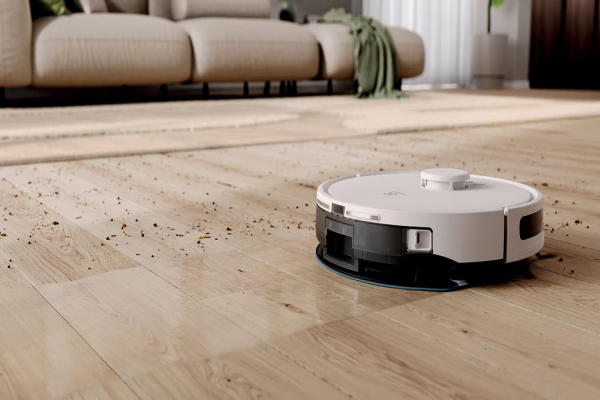
Let's delve into how robot vacuums[^1] stand up to traditional cleaning methods.
Daily 30-min Sweep vs 3-min Setup? Time Tax Exposed
Ever feel short on time? Compare endless sweeping with a simple robot vacuum setup.
Robot vacuums save significant time by running autonomously. A quick setup replaces daily manual sweeps, making them ideal for busy lifestyles.

Traditional vacuums often demand daily attention, taking up to 30 minutes. In contrast, a robot vacuum requires only about three minutes to set up and program. Once scheduled, it cleans autonomously, allowing time for more important tasks. This shift from manual to automatic cleaning translates to substantial time savings[^2] over weeks and months. For those juggling work and home responsibilities, this efficiency can alleviate stress, offering a cleaner home with minimal personal input.
Can Robots Handle Corners Like Humans?
Corners can be troublesome for vacuums. Do robots measure up to human precision?
Advanced robot vacuums use smart navigation[^3] to reach difficult areas, closely mimicking human cleaning precision.

Modern robot vacuums utilize sophisticated sensors[^4] and mapping technologies to navigate homes seamlessly. They are designed to identify obstacles, adjust their paths, and reach tight corners and under furniture areas. While traditional vacuums rely on human maneuverability, robots have evolved to handle these tasks efficiently. The combination of edge-cleaning brushes[^5] and advanced algorithms makes sure corners and edges are maintained to high cleanliness standards. Although not always perfect, their precision is continually improving, making them a viable option for comprehensive home cleaning.
Beyond Price Tag: Maintenance Traps You Should Know
Think a robot vacuum is a one-time investment? Be aware of ongoing maintenance needs.
Robot vacuums require regular cleaning and part replacements. Understanding these needs prevents hidden costs.
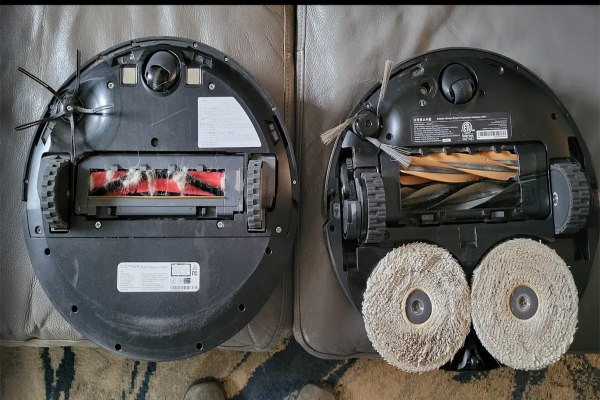
While robot vacuums simplify daily cleaning, they are not entirely maintenance-free. Regular cleaning of sensors and brushes, along with periodic replacement of parts like filters and batteries, is essential to maintain peak performance. These requirements can incur additional costs if not planned for. Understanding the maintenance schedule[^6] and potential replacements helps in delivering long-term efficiency and preventing unexpected expenses. Proactive care ensures that your robot vacuum remains reliable and effective, offering durability that justifies its initial investment.
Conclusion
Robot vacuums save time with easy setup, navigate corners effectively, and require mindful maintenance. They offer a practical cleaning solution for busy lifestyles.
[^1]: Explore the advantages of robot vacuums to see how they can simplify your cleaning routine and save you time. [^2]: Discover the potential time savings with robot vacuums and how they can enhance your daily life. [^3]: Explore how smart navigation enhances robot vacuums' efficiency and cleaning precision. [^4]: Learn about the role of sophisticated sensors in optimizing robot vacuum navigation and cleaning. [^5]: Discover how edge-cleaning brushes contribute to thorough corner cleaning in robot vacuums. [^6]: Understand the importance of a maintenance schedule to ensure your robot vacuum's longevity and performance.
