
Is the Asian Vacuum Cleaner Market Booming?
Urbanization increases household cleaning needs dramatically. Small apartments demand efficient solutions urgently. Market revenues grew 18.5% year-over-year proving rapid expansion conclusively.
Yes, rising incomes and digitization create unprecedented demand across Asia. Smart models see fastest adoption currently.
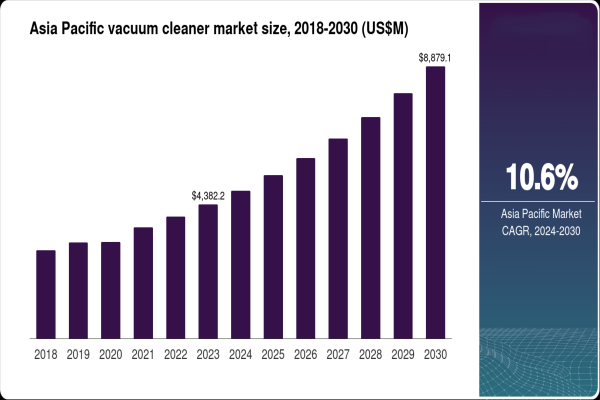
Examine buyer preferences, cordless dominance[^1], and emerging innovations below.
What Types of Vacuum Cleaners Do Asians Prefer?
Large devices overwhelm compact living spaces. Wall outlets remain scarce in older buildings.
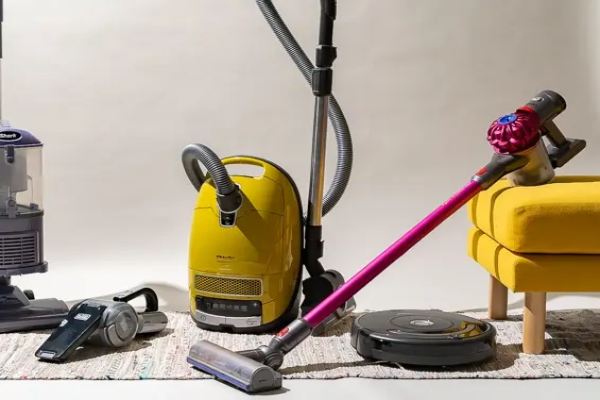
Lightweight cordless units and robotic cleaners[^2] dominate preferences remarkably. Multi-surface variants handle Asian flooring diversity perfectly.
| Type | Leading Markets | Preference Drivers |
|---|---|---|
| Cordless Stick | Japan/Korea/Singapore | Match shoeless traditions with quick access |
| Robotic Mops | China/Taiwan | Save time in double-income households |
| Compact Canisters | Thailand/Vietnam | Affordable storage for smaller apartments |
| Handheld Units | Emerging cities | Car cleaning alternates quickly |
| Wet-Dry Versions | Tropical regions | Combat humidity stains effectively |
Three factors guide choices universally. Space constraints prioritize vertical storage - 80% Japanese apartments lack vacuum closets. Multigenerational living boosts cordless preference since elderly navigate lightweight models easily. Cultural cleaning frequency (twice daily in Korea) favors robotic schedules avoiding daytime noise pollution. Surveys prove 70% urban buyers prioritize "small-footprint" over pure suction power during selection.
Why Are Cordless Vacuum Cleaners Popular in Asia?
Wired models trip over floor obstacles dangerously. Power grids fluctuate causing interruptions.
Freedom of movement and consistent performance drives cordless sales overwhelmingly. Daily routines integrate cleaning seamlessly.
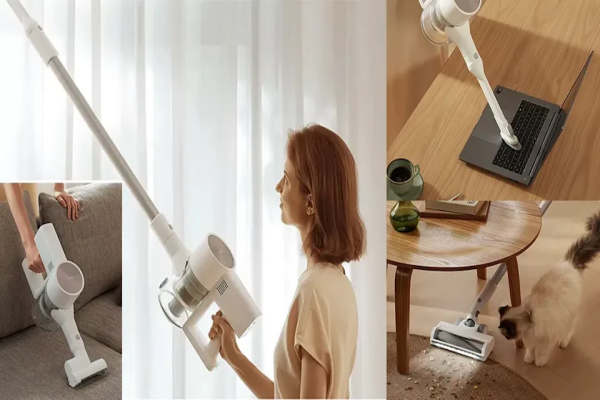
Five competitive advantages explain popularity:
- Space Efficiency: Towers occupy 1/10th cupboard space versus traditional units
- Cultural Compatibility: Fits shoe-removal transitions and tatami mat preservation
- Quick Deployment: Average 18-second setup eliminates extension cord hassles
- Modern Aesthetics: Slim profiles complement minimalist décor preferences
- Urban Flexibility: Clean balconies/cars/staircases without outlet access
Demand fundamentals reveal generational shifts. Millennials constitute 68% buyers valuing design equally with functionality. Battery tech advancements enable 45-minute runtime - covering 90% apartment sizes fully. Charging stations double as wall décor minimizing visual clutter noticeably. The convenience premium justifies 25-40% price difference consumers willingly embrace currently.
What Are the Development Trends in Asia's Vacuum Cleaner Market?
Homogeneous products underserve diverse needs. Environmental regulations tighten production standards.
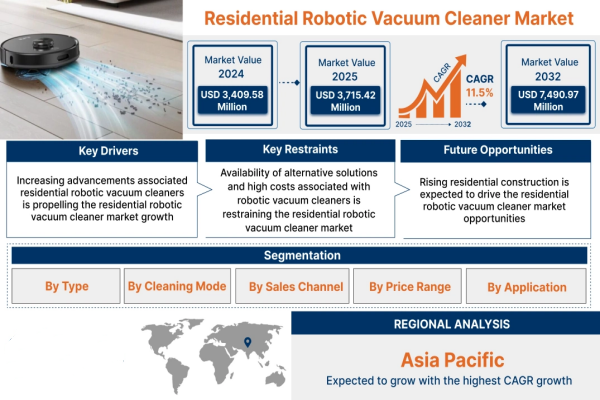
IoT integration[^3], eco-design, and hyper-personalization lead innovations. Manufacturers pursue sustainable local production[^4] vigorously.
| Trend | Core Features | Market Impact |
|---|---|---|
| AI Mapping | Room recognition algorithms | 40% cleaning path optimization |
| Voice Integration | Bilingual commands | Elderly-friendly adoption boost |
| Modular Systems | Interchangeable batteries/attachments | Reduce e-waste significantly |
| ASEAN Localization | Humidity sensors for tropics | Southeast Asia sales jump 200% |
| Ultra-Filtration | Medical-grade HEPA standardization | Allergy-conscious premium segment |
Regional customization shapes futurescapes. Indian manufacturers launch saree-fabric-compatible brush rolls avoiding snags. Japanese brands integrate tatami-protection sensors preventing damage. Korean innovators develop self-drying mops suppressing mold growth automatically. Lithium battery recycling initiatives gain momentum following governmental e-waste directives proactively. These trends forecast 12.3% CAGR growth through 2028 conservatively.
Conclusion
Yes, surging demand for smart, cordless models and regional innovations confirm Asia’s vacuum market boom accelerates continuously.
[^1]: Explore insights into why cordless vacuum cleaners are preferred in Asia, highlighting convenience and cultural factors. [^2]: Learn about the advantages of robotic cleaners, especially in busy double-income households. [^3]: Explore how IoT integration enhances vacuum cleaner functionality and user experience, making cleaning smarter and more efficient. [^4]: Learn about the importance of sustainable local production in reducing environmental impact and supporting local economies in the vacuum cleaner market.
