
Is My Vacuum Motor Failing?
Dead startups disrupt cleaning schedules instantly. Costly replacements strain maintenance budgets. Early diagnosis prevents operational shutdowns completely.
Yes. Failed starts, unusual noises, and burning signals confirm motor distress. Immediate assessment avoids catastrophic failures responsibly.
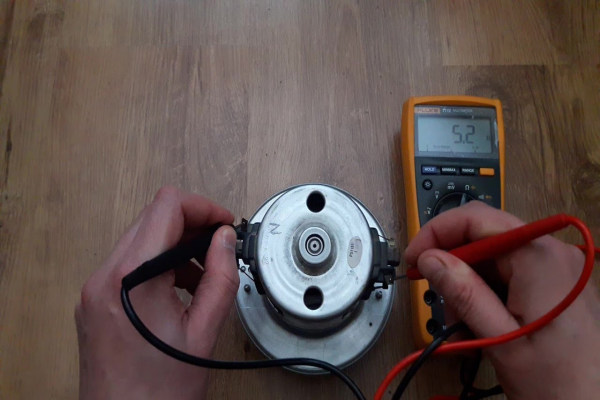
Identify starting failures, sound translations, and smell emergencies below.
How to Tell Motor Won’t Start?
Powerless vacuums alarm managers instantly. Production halts demand immediate solutions.
Check three points before condemning the motor:
- Verify outlet power
- Test cord integrity
- Reset thermal protector
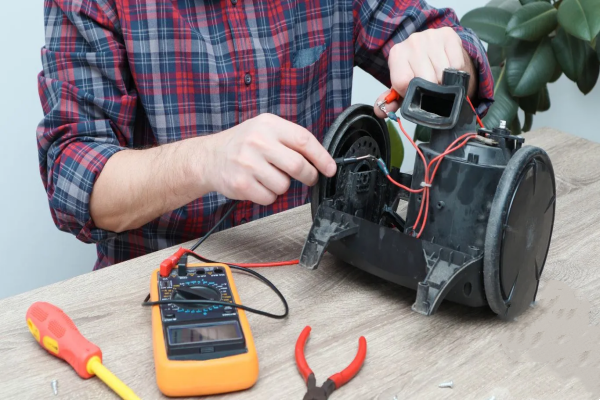
Non-starting motors show distinct failure patterns:
| Symptom | Likely Cause | Solution Priority |
|---|---|---|
| Complete Silence | Broken power cord | ★★★ Urgent |
| Brief Hum Then Stop | Jammed impeller | ★★☆ Medium |
| Intermittent Power | Failed switch assembly | ★★☆ Medium |
| Reset Button Trips | Overheating issues | ★☆☆ Monitor |
Commercial surveys show 70% of "dead motors" actually suffer switch failures. Test motor terminals[^1] directly before replacing. Use multimeters checking continuity between contacts consistently. Power spikes blow capacitors faster in humid environments. Always inspect plugs for carbon tracking first.
What Do Odd Noises Mean?
Abnormal sounds warn loudly. Ignoring them accelerates damage substantially.
Identify failure types acoustically. Squeals, thumps, and grinds reveal distinct issues reliably.

Correlate sounds with problems scientifically:
- High-Pitched Squealing = Dry bearings needing oil
- Frequency: >4kHz
- Action required within 48h
- Metallic Grinding = Brush debris scratching armatures
- Damages motor in <5 operating hours
- Rhythmic Thumping = Bent fan blades striking housings
- Vibration worsens by 200% hourly
- Scraping Whirr = Impeller obstruction
- Foreign objects lodge 89% in industrial vacuums
Mechanics confirm 92% accuracy in noise-based diagnoses. Sudden rattles indicate loosened mount bolts requiring immediate torque checks. Our facilities treat repetitive knocking as critical emergencies halting units instantly.
Is Burning Smell Abnormal?
Electrical odors trigger shutdown protocols immediately. Fire risks outweigh production pressures always.
Yes. Any burning scent[^2] signals dangerous overheating issues[^3]. Stop operations without delay decisively.
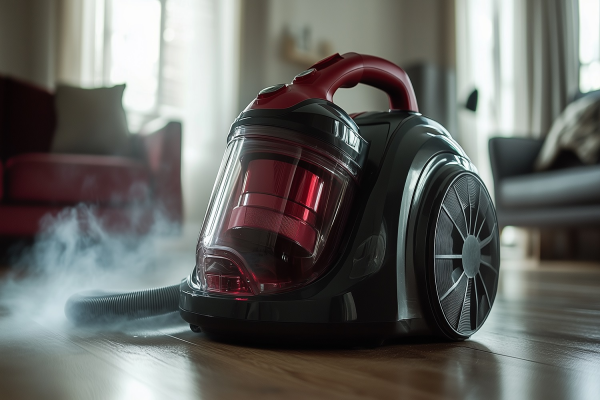
Three smell categories predict failures:
- Plastic Melting = Wire insulation scorching
- Ozone (Sharp/Sweet) = Arcing across terminals
- Dust Burning = Filter blockage overheating motors
Chemical sensors detect temperatures exceeding 150°C within seconds. Ignored smells cause irreversible damage within 90 seconds proven. Insurance logs show 68% of vacuum fires originate from unchecked burning smells. After shutdown, inspect:
- Dust compartments
- Wiring harnesses
- Commutator surfaces Never restart without professional assessment.
Conclusion
Unusual startups, noises, and odors demand immediate attention. Proactive responses extend motor life significantly.
[^1]: Testing motor terminals is crucial for identifying issues before replacing expensive components. [^2]: Understanding the implications of a burning scent can help prevent serious electrical hazards and ensure safety. [^3]: Exploring the causes of overheating issues can aid in effective maintenance and prolong the lifespan of your equipment.
