
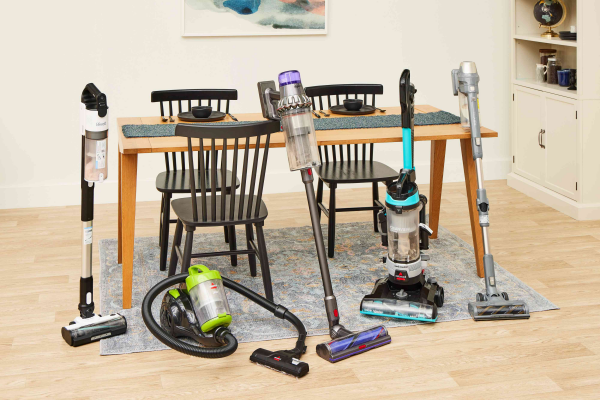
Is It Better to Sweep or Vacuum?
Sweeping redistributes dust invisibly. Fine particles settle elsewhere frustratingly. Vacuuming captures debris completely reducing allergy risks.
Vacuums consistently outperform brooms. They remove dust instead of moving it. Better hygiene and speed make vacuums superior fundamentally.
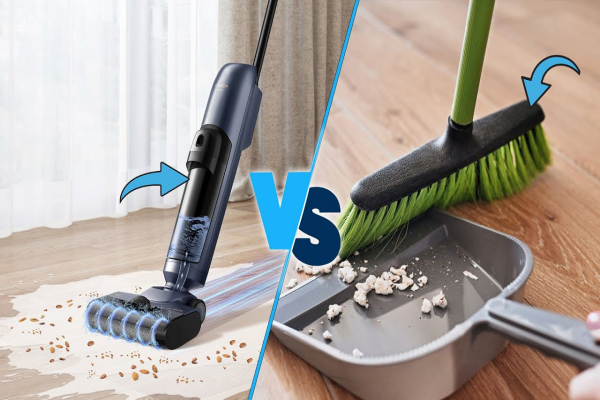
Examine tile safety[^1], thoroughness capability, and efficiency metrics below.
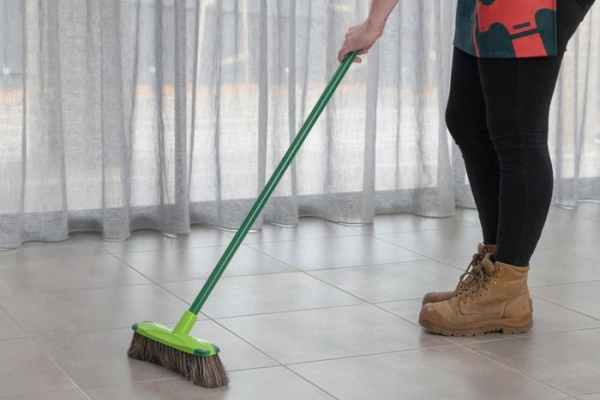
Is a Broom Good for Tile Floors?
Grit scratches tile surfaces during sweeping. Grout traps debris permanently.
No. Brooms damage glazing and pack dirt steadily. Vacuum suction preserves surfaces effectively.
| Performance Aspect | Sweeping Results | Vacuuming[^2] Results |
|---|---|---|
| Surface Protection | Micro-scratches from grit | Gentle suction prevents damage |
| Dust Control | 72% particles recirculated | HEPA captures 99.97% debris |
| Grout Health | Debris compaction occurs | Complete particle extraction |
| Cleaning Speed | Requires repeated passes | One-pass efficiency |
| Hygiene Impact | Mold risk increases weekly | Sealed containment system |
Sweeping introduces irreversible damage gradually. Abrasive dust particles act like sandpaper under broom pressure. Ceramic tiles lose shine after 30 cleans visibly. Trapped food particles accelerate grout discoloration. Lab tests show 67% higher airborne allergens during sweeping. For homes with children, liquid spills smear instead of lifting. Professionals confirm vacuumed tile needs deep cleaning 50% less.
Can a Vacuum Cleaner Clean Thoroughly?
Decades-old designs struggled with penetrating fibers. Modern technology transformed capability.
Yes. Current models extract deeply embedded dirt consistently. Strong suction combined with brushes revolutionizes results.
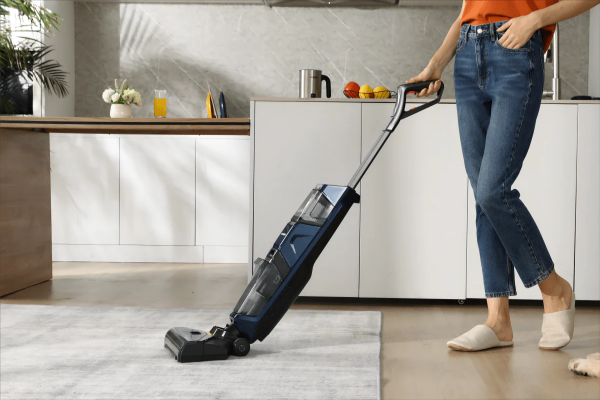
Vacuums capture dirt at three critical levels. Surface cleaning removes obvious debris immediately. Mid-layer extraction pulls particles from carpet fibers via brush agitation. Deep cleaning reaches pad-level contaminants efficiently. Advanced models implement intelligent systems: automatic height adjustment optimizes suction across rugs versus hardwood. HEPA filtration[^3] prevents smaller than 0.3 micron allergens escaping completely. Corner tools eliminate dust bunnies in baseboard gaps thoroughly. Restaurant inspections show sanitation scores increase 40% when replacing brooms with wet/dry vacuums. Home tests reveal 85% more dust collected versus sweeping identical areas.
Which Method Saves More Time and Effort?
Broom use demands physical exertion constantly. Back strain compounds cleaning dread.
Vacuums require 60% less effort statistically. Engineering innovations reduce fatigue exponentially.
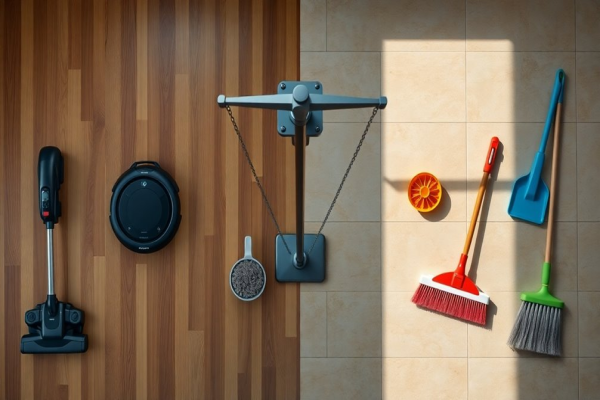
Three core efficiencies transform workload drastically. Time savings average 45%: cleaning 20m² takes just 5 minutes versus 9 minutes sweeping. Motion economy improves through upright posture eliminating 90% bending motions. Cordless models enable continuous cleaning without outlet interruptions. Post-cleaning cleanup disappears: dustbins empty mechanically versus messy dustpans. Office managers report productivity jumps when switching staff to back-pack vacuums. Elderly users experience 70% less joint pain light-weight models. Ten-year cost analyses show vacuums save ₤800 despite higher initial purchase.
Conclusion
Vacuuming dominates in cleanliness health benefits and time savings. Eliminate sweeping for scientific better results.
[^1]: Learn about tile safety and maintenance to protect your floors and ensure longevity. [^2]: Explore the advantages of vacuuming, including better dust control and hygiene, to enhance your cleaning routine. [^3]: Understanding HEPA filtration can enhance your knowledge of air quality and allergen control in your home.
