
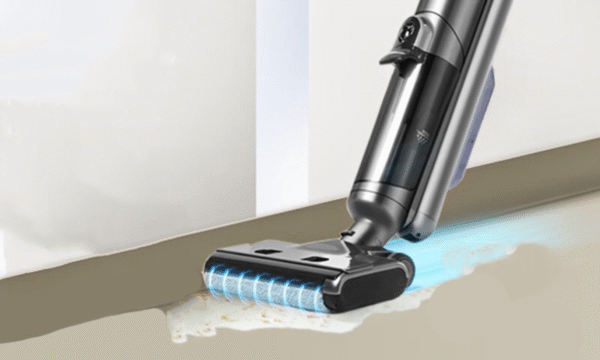
Is a Wet Vacuum Cleaner as Good as Mopping?
Tired of the hassle that comes with traditional mopping?
A wet vacuum cleaner[^1] can be as effective as mopping, offering a convenient method for cleaning both wet spills and dry debris in one go. It significantly reduces effort and time, leaving floors equally as clean as traditional mopping when used correctly.
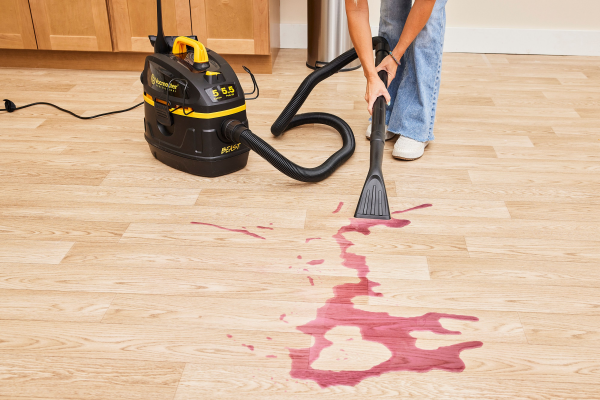
Experience quicker, hassle-free cleaning with wet vacuums and keep your floors spotless.
Can Some Wet/Dry Vacs Indeed Continuously Pump Water?
Curious if wet/dry vacs can make water pumping easier?
Yes, certain wet/dry vacuums[^2] come with a pump attachment that allows them to continuously pump water, making them ideal for flood situations or large water spills. They efficiently move water from one area to another without manually emptying the container repeatedly.
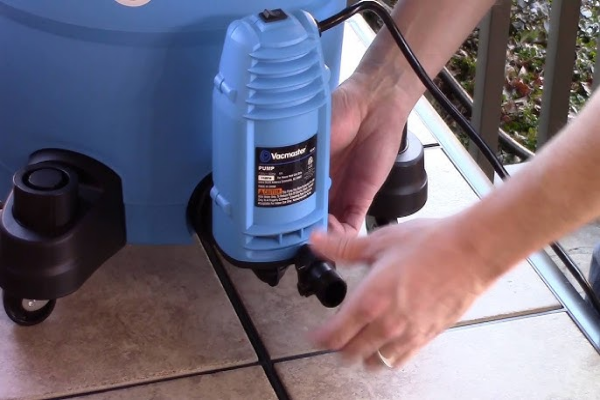
Exploring Continuous Pumping Features
Not all models are created equal. Here's what to know about continuous pumping:
Key Features:
-
Integrated Pump:
- Allows for constant water removal, suitable for basements or flooded areas.
- Typically requires a hose for expelling water to another location.
-
Enhanced Capacity:
- Larger tanks accommodate more water, maximizing vacuum efficiency.
Common Applications:
- Ideal for emergency flood responses.
- Suitable for areas prone to pooling water, like basements or garages.
What Do You Call a Vacuum That Sucks up Water?
Wondering what term is used for water-sucking vacuums?
A vacuum that can suck up water is commonly referred to as a wet/dry vacuum or a shop vacuum. These are specifically designed to handle both wet and dry messes efficiently with minimal risk of damage.
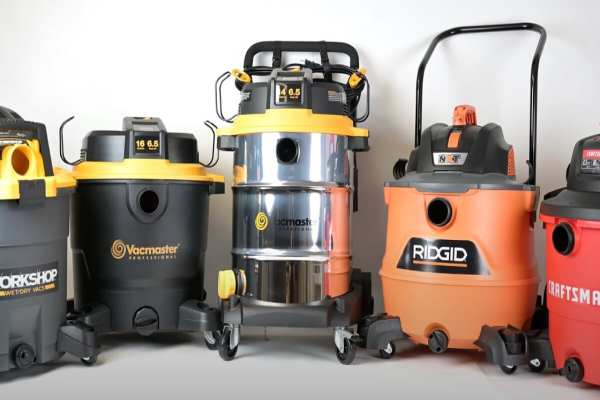
Understanding Wet/Dry Domestic Utility
These vacuums offer versatility, extending beyond traditional cleaning tools:
Common Terminology:
- Wet/Dry Vacuum[^3]: Most widely used term; implies capability for wet and dry cleaning.
- Shop Vac: Often refers to a brand, but generally synonymous with wet and dry models.
Usability:
- Suitable for household, industrial, and outdoor purposes.
- Helps in tackling versatile cleaning scenarios efficiently.
Can You Use a Shop Vac Without a Filter Bag?
Debating whether to skip the filter bag in your shop vac?
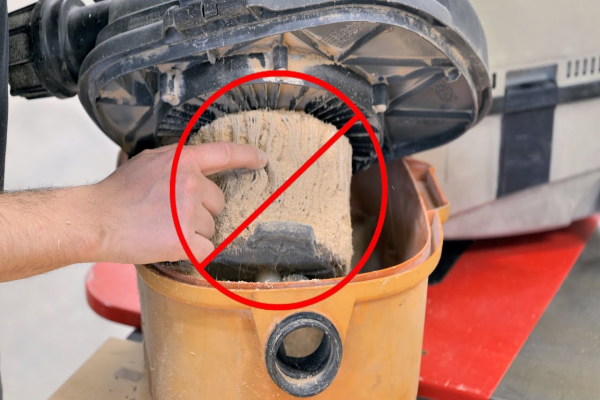
Using a shop vac without a filter bag[^4] is not recommended for dry debris, as it helps trap fine dust and prevents it from being expelled back into the air. For wet applications, you can generally remove the bag, but keep the filter for motor protection[^5].
Insight into Filter Bag Use
Filters are crucial in preserving the longevity and functionality of your vacuum:
Importance of Filters:
-
Dust Control:
- Bags and filters capture nuisances like fine dust and allergens, preventing air contamination.
-
Motor Protection:
- Avoids debris clogging the motor, ensuring efficient performance over time.
Situational Use:
- Wet Usage:
- Remove the bag, keep necessary filters for liquid spills.
- Regularly clean filters to maintain suction power.
Conclusion
A wet vacuum cleaner can rival the effectiveness of mopping with advantages in convenience and efficiency. Understanding features like continuous water pumping or using appropriate bags and filters can optimize performance for various cleaning tasks.
[^1]: Discover the advantages of wet vacuum cleaners and how they can simplify your cleaning routine. [^2]: Learn about the efficiency of wet/dry vacuums and their unique features for handling large spills. [^3]: Explore this link to understand the functionality and benefits of Wet/Dry Vacuums for effective cleaning. [^4]: Discover the significance of filter bags in maintaining vacuum performance and air quality. [^5]: Find out how motor protection features enhance the longevity and efficiency of your vacuum. [^6]: Learn about Shop Vacs and their unique features that make them ideal for both wet and dry cleaning tasks.
