
How Well Do Vacuum Cleaners Really Clean Carpet?
Wondering if vacuum cleaners can truly rid your carpet of all its dirt and dust? Knowing their limitations helps manage cleaning expectations.
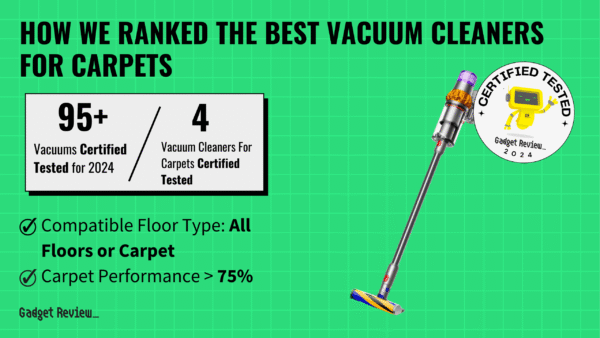
Vacuum cleaners effectively remove dry soil, dust, and allergens from the carpet surface and fibers, especially high-grade models with powerful suction and brush agitation. They don't, however, wash or deep clean in the way shampoos or steam cleaners do. Regular vacuuming keeps carpets clean but isn't a substitute for thorough professional cleaning.
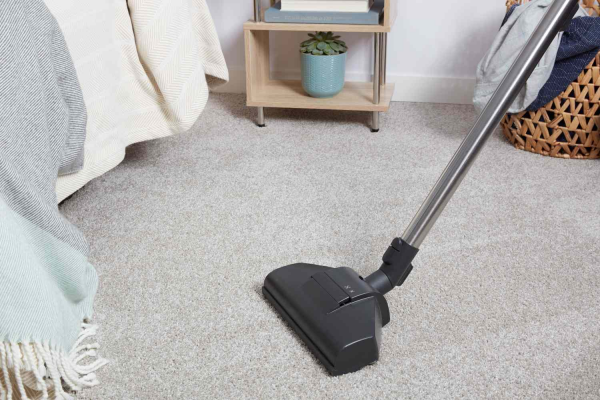
Understanding their primary role can guide better carpet maintenance strategies.
Compare HEPA Vacuuming vs Steam Cleaning Effectiveness?
Ever wondered how HEPA vacuums fare against steam cleaners?
HEPA vacuuming[^1] excels at extracting dry contaminants, capturing particles down to 0.3 microns, thus significantly reducing allergens and improving air quality. On the other hand, steam cleaning involves using hot water and detergents to penetrate deeper layers for comprehensive dirt, stain, and odor removal. While vacuuming primarily focuses on surface maintenance, steam cleaning[^2] addresses deep-seated grime.
| Cleaning Method | Pros | Cons |
|---|---|---|
| HEPA Vacuuming | Excellent allergen and dust removal | Limited to surface particles |
| Steam Cleaning | Deep cleaning with stain and odor removal | Takes longer, can be costlier |
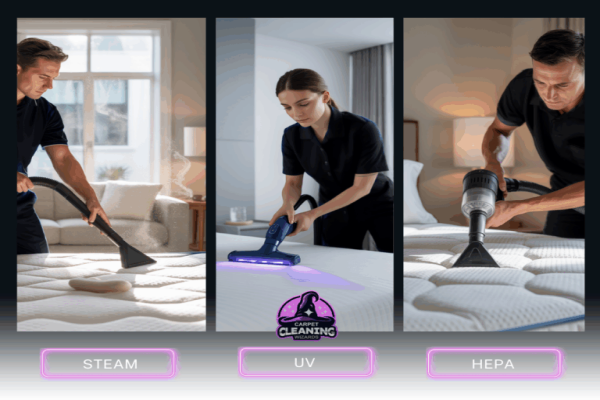
Choosing between them depends on needs: routine maintenance or deep cleaning.
How Often Should I Vacuum Different Carpet Piles?
Confused about how frequently to vacuum your carpet type?
High-traffic areas with cut-pile or plush carpets benefit from daily to bi-weekly vacuuming, depending on use, while loop pile carpets generally need less frequent attention. Keep traffic and spill probability in mind: more activity may warrant more frequent vacuuming to manage dirt and wear effectively.
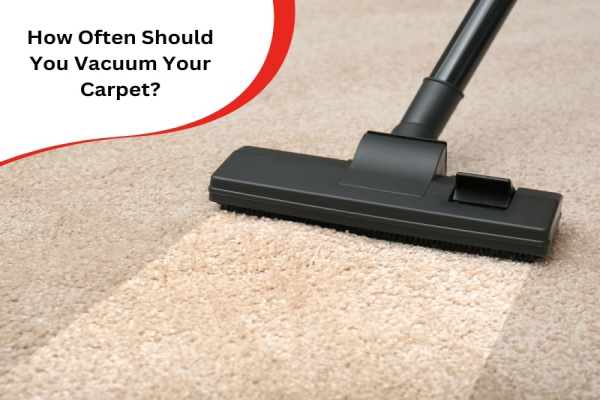
Regularity tailors the approach to carpet longevity.
Which Vacuum Features Remove Allergens Best?
Seeking vacuum features that ensure optimal allergen removal?
Vacuums with HEPA filters[^3] are ideal, as they trap fine particles and allergens effectively. Additional features like adjustable brush heads[^4] and strong suction further enhance dirt and allergen capture from deep within carpet fibers. Consider the vacuum's sealing technology to prevent dust escape.
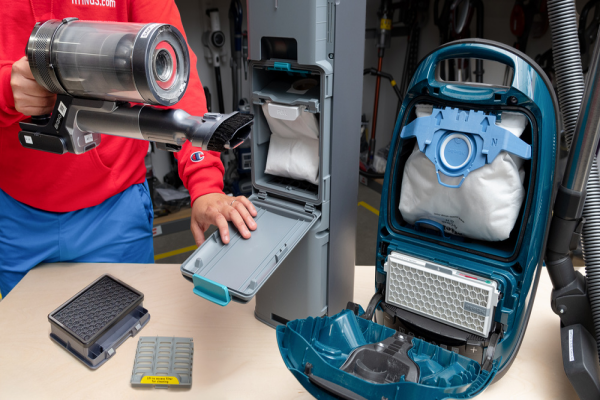
Targeted vacuum features can make a significant difference in allergen reduction.
Best Vacuuming Technique for Deep-Embedded Dirt?
Looking to tackle embedded dirt? Optimizing technique can help.
Slow, methodical vacuuming with overlapping strokes works best for extracting embedded dirt[^5]. Focus on high-traffic areas using adjustable height settings and powerful suction in each pass, ensuring proper penetration into carpet fibers without damaging them.
Effective Vacuuming Habits:
- Use a steady, slow pace.
- Make multiple passes over the same area.
- Adjust the vacuum head height depending on carpet pile thickness.
- Prioritize high-traffic areas[^6] for frequent attention.
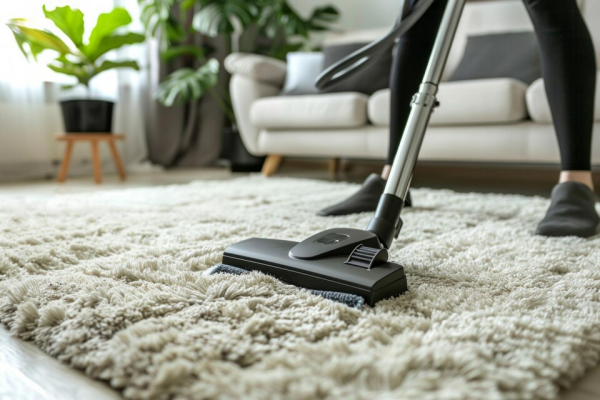
Developing good vacuum habits enhances cleaning efficiency and carpet care.
Conclusion
Vacuum cleaning serves well for routine maintenance, efficiently handling dry soil and allergens. Paired with appropriate deep cleaning techniques, it maintains carpet health and cleanliness.
[^1]: Explore the benefits of HEPA vacuuming to understand how it can improve your indoor air quality and reduce allergens. [^2]: Learn about steam cleaning's effectiveness for carpets to see how it can tackle deep stains and odors. [^3]: Explore how HEPA filters can significantly improve indoor air quality by trapping allergens and fine particles. [^4]: Learn how adjustable brush heads enhance cleaning efficiency on various carpet types, ensuring a thorough clean. [^5]: Explore this link to discover effective methods for tackling embedded dirt, ensuring your carpets stay clean and fresh. [^6]: This resource provides insights on maintaining carpets in high-traffic areas, helping you prolong their lifespan and appearance.
