
How to Store Vacuum in Small Spaces?
Vacuum cleaners sprawl across tiny apartments daily. They trip up children constantly. Compact storage solutions unlock this puzzle.
Smart sizing, wall mounting, and intentional placement prevent space conflicts permanently. Strategic organization matters equally.
Discover space-saving tactics for cramped urban dwellings through these key approaches.
What Vacuum Size Suits Limited Homes?
Full-size uprights jam narrow hallways. Cleaning becomes weekly furniture gymnastics.
Choose compact stick or canister models[^1] under 13lbs weight. Slender dimensions navigate furniture easily.
| Vacuum Type | Storage Dimensions | Space Advantage | Space Drawback |
|---|---|---|---|
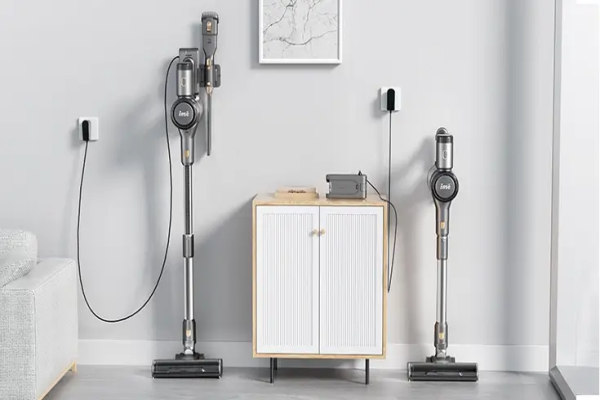
| Stick Vacuum | 45x25x12 cm | Stands vertically in corners | Requires charging station |
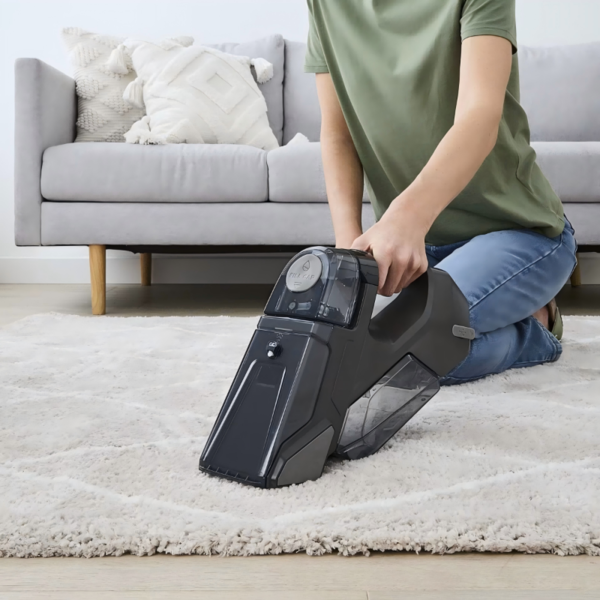
| Handheld Vacuum | 30x15x20 cm | Fits under furniture | Limited debris capacity |
| Canister Vacuum | 40x30x30 cm | Separates body from hose | Bulkiest storage option |
| Robotic Vacuum | 35cm diameter | Self parks under furniture | Needs open floor clearance |
Height limitations determine compatibility first. Measure closets and below-bed clearance before purchase. Telescoping extensions collapse handles below 90cm. Modular storage helps break units into smaller components: chargers store separately while base units slide under sofas. Convertible tanks transform into handheld units minimizing floor area. Always remove attachments when idle to save 30% footprint.
Can Wall Mounts Save Floor Space?
Vacuum bodies become permanent rug obstructions. Daily stubbed toes occur routinely.
Wall-mounted docks[^2] lift cleaners off floors effectively. Clever bracketry protects machines in motion while maximizing floor area. Basic installation requires stud finders and impact drivers to secure anchors in drywall. Consider swing-arm designs allowing access without dismounting. Key considerations include weight tolerance ratings exceeding vacuum mass by 1.5x. Avoid plumbing walls preventing accidental pipe strikes. Battery units gain additional space optimization because charging stations mount vertically. Clearance measurements must account for door swing paths to prevent collision damage.
Where’s Best Vacuum Storage Location?
Musty closets degrade filter efficiency rapidly. Moisture accumulation ruins mechanical parts silently.
Store in dry areas with stable temperatures between 15-27°C. Accessibility balances protection and convenience daily. Top locations include hallway closets with ventilation grills for airflow circulation. Avoid humid laundry rooms where steam corrodes metal bearings. Below-bed storage limits debris intake through dust covers. Staircase cavities require customized mounts protecting against bumps. Always elevate cord coils preventing rodent damage. Critical factor: position chargers near outlets avoiding fire hazards from extension cords.
Conclusion
Select dimension-appropriate cleaners, utilize vertical mounts, and store in temperature-controlled accessible zones[^3].
[^1]: Explore the advantages of compact vacuum models for small spaces, ensuring efficient cleaning without sacrificing storage. [^2]: Explore how wall-mounted docks can optimize your space and protect your vacuum cleaner from damage. [^3]: Learn why storing vacuums in temperature-controlled areas can enhance their longevity and performance.
