
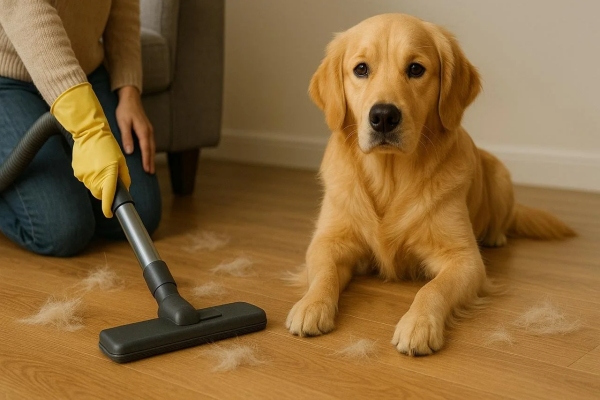
How to remove pet hair effectively?
Pet hair ruins furniture, clings to clothes, and floats in the air. It feels endless. Let us show you how to win the war against fur.
**Use vacuums with strong suction[^1] and specialized pet hair attachments[^2]. Regular vacuuming prevents buildup. Rubber rollers work well on carpets and upholstery. Clean or replace filters often. These steps keep your home hair-free and fresh.
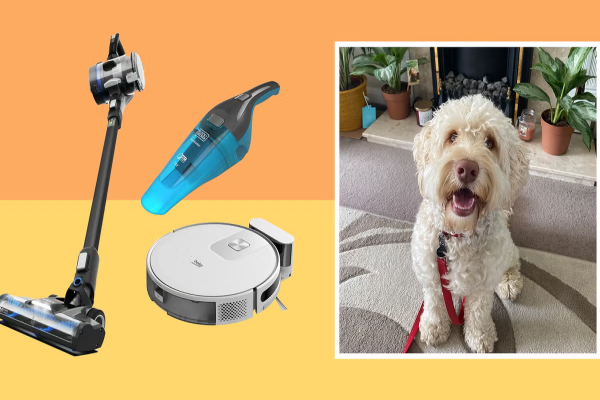
Pet hair is not just annoying. It spreads everywhere. It gets deep into fabrics and carpets. Removing it seems impossible. But the right tools and methods make it easy. You can have a clean home again. Let us dive into the details.
What vacuum settings help hair?
Wrong vacuum settings make pet hair worse. You need the right power and tools. Let us find the best settings for your vacuum.
**Use high suction power for carpets and furniture. Adjust brush height to match carpet pile. Use specialized pet hair modes. Turn off brush roll on hard floors. Replace filters regularly. These settings lift more hair and prevent re-deposition.
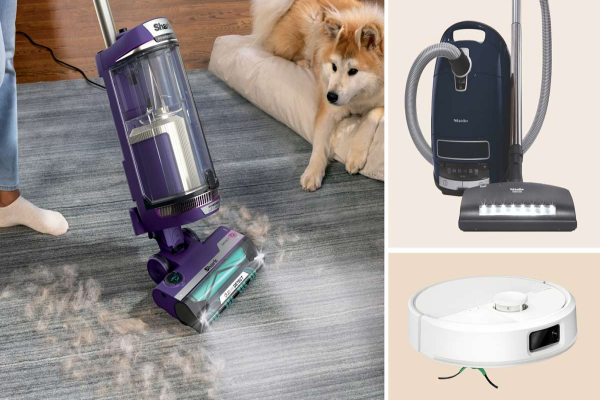
The right vacuum settings[^3] depend on your flooring and hair type. For carpets, high suction with a motorized brush roll lifts embedded fur. For hard floors, turn off the brush roll to avoid scattering. Adjust the height setting so the brush just touches the carpet. Too high means poor contact. Too low strains the motor. Use specialized pet hair modes if available. These settings boost suction and optimize airflow. Filter maintenance is critical. Clogged filters reduce suction and blow dust back. Clean filters weekly or replace monthly. Your vacuum must handle different surfaces. A good vacuum has adjustable settings for carpets, rugs, and hard floors.
| Floor Type | Recommended Setting | Reason |
|---|---|---|
| Carpet | High suction + motorized brush | Lifts embedded fur |
| Hard floors | Suction only, brush off | Prevents scattering |
| Low pile rug | Medium height setting | Optimal contact |
| Upholstery | Gentle suction + brush | Safe for fabrics |
Which attachments remove fur best?
Not all vacuum attachments work the same. Some are great for pet hair. Others make it worse. Let us find the best ones.
**The best attachments for pet hair are motorized turbo brushes[^4], crevice tools, and upholstery nozzles[^5]. Motorized brushes lift fur from carpets. Crevice tools reach tight spaces. Upholstery nozzles clean furniture. These attachments remove fur effectively from all surfaces.
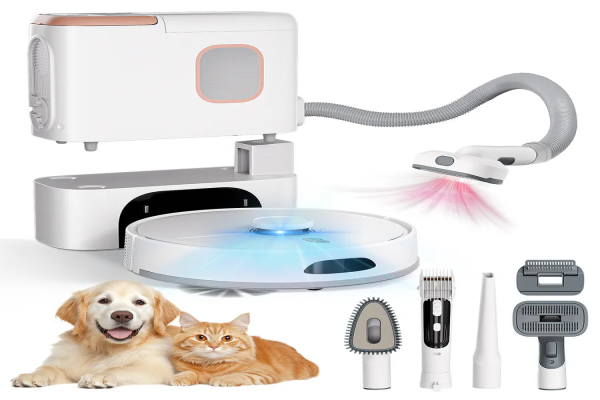
Motorized turbo brushes are essential for pet hair removal. These attachments have a spinning brush that lifts fur from carpets and upholstery. They work better than standard brushes because agitate the hair loose. Crevice tools help clean tight spaces where hair collects. Think along baseboards, between cushions, and in car seats. Upholstery nozzles with bristles clean furniture and stairs effectively. Some attachments have rubber strips that grab hair. Others have felt strips that attract it. The best attachments make cleaning easier. You should have a set for different surfaces. A good vacuum comes with these tools. Check if they are included or sold separately.
| Attachment | Best For | How it Works |
|---|---|---|
| Motorized turbo brush | Carpets and rugs | Spinning brush lifts embedded fur |
| Crevice tool | Tight spaces | Reaches narrow gaps and corners |
| Upholstery nozzle | Furniture and stairs | Bristles grab loose hair |
| Rubber stripping tool | Hard floors | Collects hair without scattering |
Can rubber rollers beat hair cling?
Rubber rollers seem simple but work well. They collect pet hair easily. Let us see if they are worth it.
**Yes, rubber rollers work well on pet hair. They grab and hold fur without scratching surfaces. Best for hard floors and low-pile carpets. They are easy to clean and reusable. Unlike vacuums, they do not blow dust around. They are affordable and portable too.
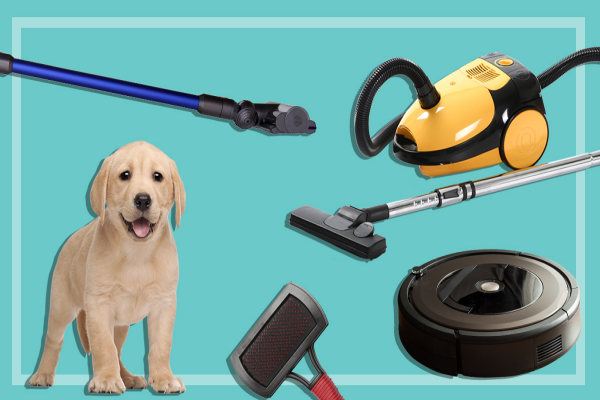
Rubber rollers are effective at removing pet hair. They use static electricity to grab hair. The material creates friction that lifts fur from surfaces. They work best on hard floors and low-pile carpets. On high-pile carpets, they might not reach deep enough. Rubber rollers are gentle on surfaces. They do not scratch wood or scratch furniture. Cleaning them is easy. Most hair rolls off in clumps. Some rollers have handles for better control. Others attach to brooms or mops. The biggest advantage is portability. You can use them anywhere without cords or batteries. They are affordable and last long. For quick cleanups, rubber rollers are great. For deep cleaning, you still need a vacuum.
| Type | Pros | Cons |
|---|---|---|
| Standard rubber roller | Affordable, portable, easy to clean | Less effective on thick carpets |
| Self-cleaning roller | Hair ejects easily, reusable | More expensive, bulkier |
| Attachable roller | Works with existing tools | May not fit all handles |
| Electric roller | Motorized for better picking | Requires batteries or power |
Conclusion
Effective pet hair removal needs the right tools and methods. Use proper settings, specialized attachments, and consider rubber rollers[^6]. Keep your home clean and fresh.
[^1]: Discover how strong suction vacuums can effectively remove pet hair and keep your home clean. [^2]: Learn about specialized attachments that make pet hair removal easier and more efficient. [^3]: Find out the optimal vacuum settings to maximize pet hair removal from various surfaces. [^4]: Explore how motorized turbo brushes can enhance your cleaning routine by effectively lifting pet hair from various surfaces. [^5]: Discover why upholstery nozzles are essential for maintaining clean furniture and removing pet hair efficiently. [^6]: Find out how rubber rollers can be a game-changer for quick and effective pet hair removal on various surfaces.
