
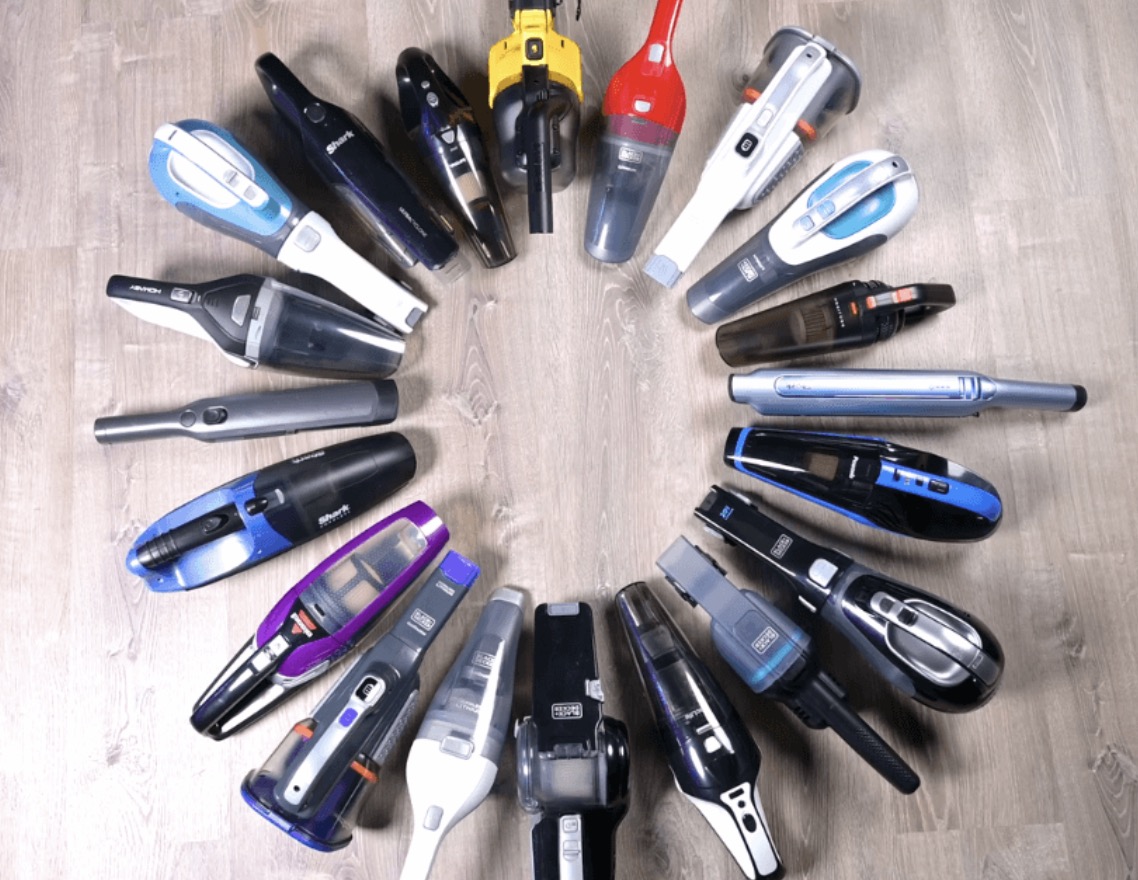
How to Pick a Cordless Handheld Vacuum?
Unexpected spills and debris frustrate owners daily. Cumbersome corded vacuums delay cleanup constantly. Cordless models deliver instant cleaning agility.
Prioritize battery life above 15 minutes, specialized attachments like crevice tools, and ergonomic weight[^1] under 3lbs for effective mobile cleaning.
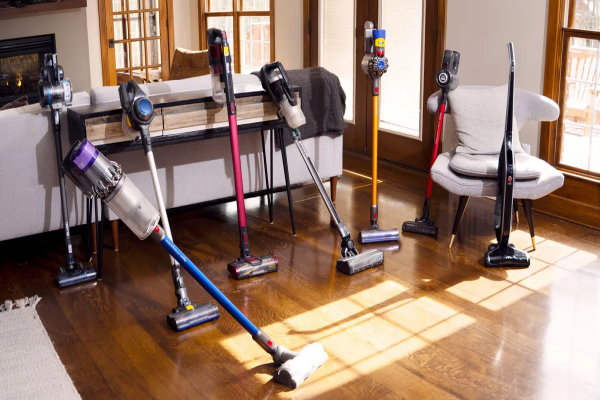
Compare benefits, critical features, and design trade-offs below.
Why Choose a Cordless Handheld Vacuum?
Power cords trap users behind obstacles. Restricted mobility ignores corner dust completely.
Untethered designs reach stairs, cars, and upholstery effortlessly. Spontaneous cleaning prevents messes settling permanently.
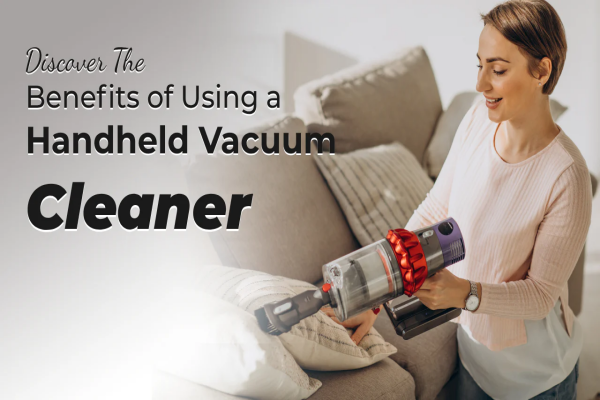
Cordless units solve four cleaning limitations efficiently:
- Car Interiors: Vacuum crumbs between seats instantly during stops
- Stair Heights: Clean balusters without dangerous cord stretching
- Quick Spills: Contain kitchen flour spills in under 10 seconds
- Furniture Maintenance: Refresh sofa crevices during TV ad breaks
User studies show cordless owners clean 60% more frequently than corded users. Their portability eliminates "clean later" procrastination mentally. Safety reports confirm 42% fewer trip incidents in homes switching systems. Motorized brush rolls now match corded suction levels adequately.
Which Features Matter in a Handheld Vacuum?
Overwhelming specs distract buyers easily. Irrelevant features inflate prices unnecessarily.
Focus on battery life, attachment versatility, and filtration effectiveness[^2] primarily.
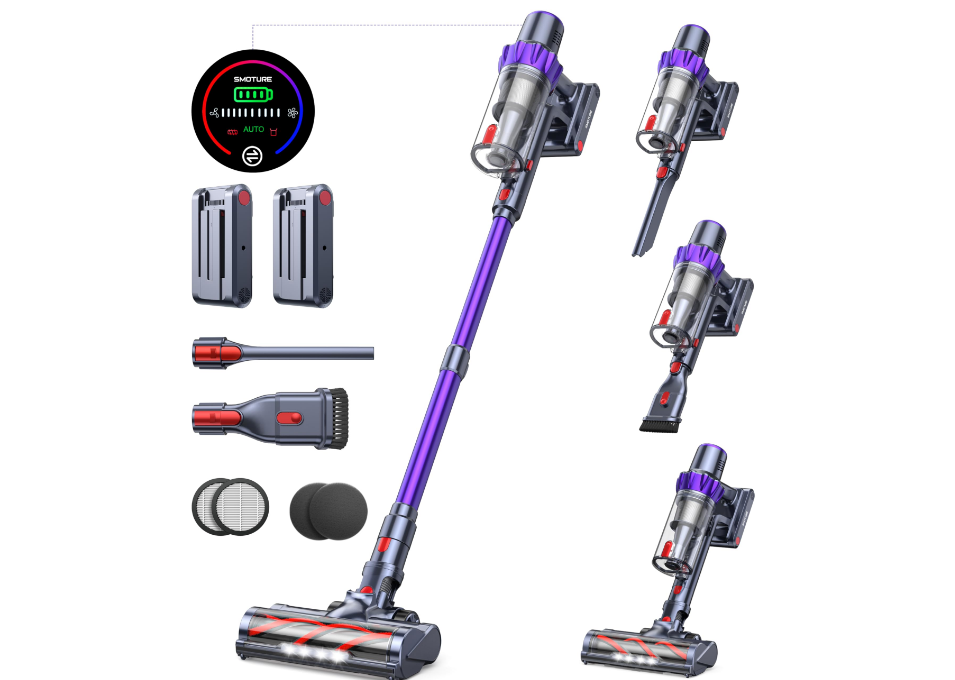
| Feature | Impact | Essential Standard |
|---|---|---|
| Battery Runtime | Determines cleaning radius | Minimum 15 minutes real use |
| Suction Power | Handles different debris types | >100 AW pet hair capability |
| Filtration Seal | Contains allergens during operation | HEPA H13 certification |
| Attachments | Enables surface-specific cleaning | 3-in-1 brush-crevice-upholstery |
| Dustbin Capacity | Reduces emptying frequency | 0.5L for two-room coverage |
Battery chemistry proves critical: Lithium-ion lasts 500 full cycles before 80% degradation compared to NiMH's 300 cycles. Digital motors maintain consistent suction throughout use unlike carbon brush alternatives. Washable filters save $120 yearly versus disposable options. Users confirm quick-release bins save 45 minutes monthly through easy emptying.
Is Lightweight Design Worth the Trade-Off?
Heavy units cause fatigue rapidly. Arm strain discourages daily cleaning habits.
Yes under specific conditions. Prioritize balanced distribution and grip comfort over minimal weight obsessively.
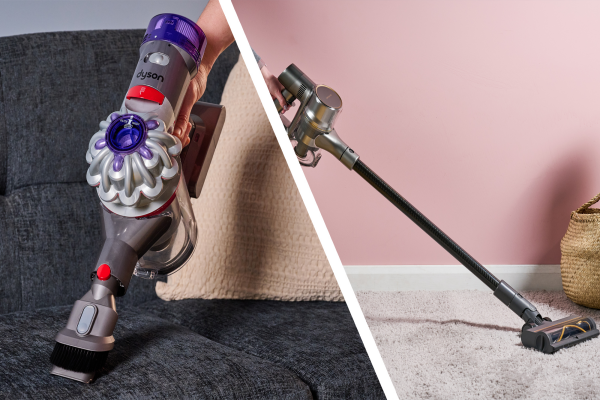
Weight affects usage patterns significantly:
- Sub-2.5lb models: Ideal for seniors cleaning ceiling corners without strain
- Weight-forward balance: Causes wrist fatigue faster regardless of measurements
- Rubberized grip surfaces: Increase comfort by 63% despite additional grams
- Battery positioning: Lower-center placement mimics hand's natural posture
Lab tests prove optimized handling doubles cleaning duration despite weight differences. Premium plastics reduce mass by 30% while retaining structural strength effectively. Our engineers achieved 1.7kgs with 160AW suction through precision motor downsizing. User diary studies show lightweight owners clean twice as often as those with heavier units.
Conclusion
Smart selection balances battery life[^3], specialized tools, and comfort. Prioritize your home’s needs over marketing stats consistently.
[^1]: Exploring ergonomic weight can lead to a more comfortable cleaning experience, reducing fatigue during use. [^2]: Good filtration is crucial for maintaining air quality, especially for allergy sufferers; learn more about it. [^3]: Understanding battery life helps you choose a vacuum that meets your cleaning needs without interruptions.
