
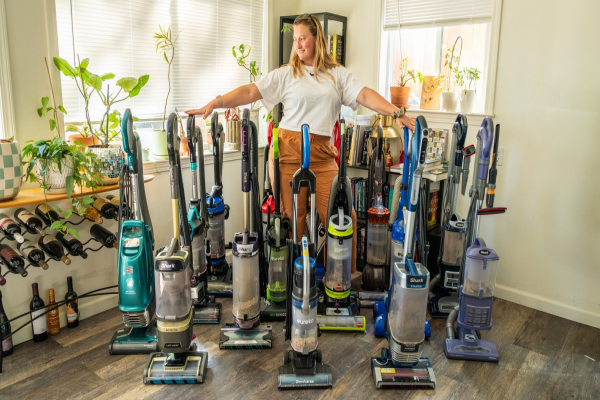
How to choose a bagless vacuum cleaner, and what should I avoid?
Choosing a bagless vacuum cleaner can be daunting. What features truly matter?
When choosing a bagless vacuum cleaner, prioritize strong and consistent suction power suitable for your floor types. Look for a transparent dustbin[^1] for easy fill monitoring and an easy-to-empty design. Opt for a good filtration system, preferably HEPA filters, to trap fine dust and allergens. Consider weight, maneuverability, and attachments for versatile cleaning.
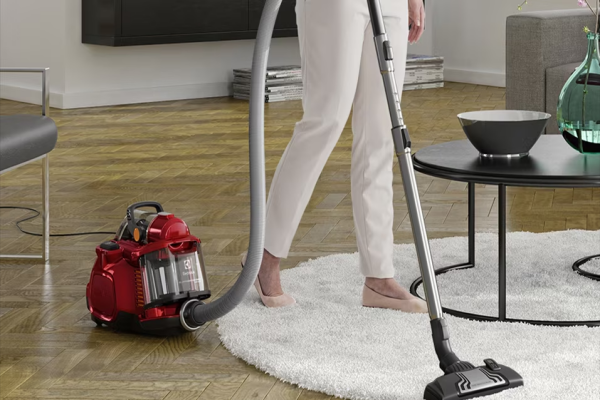
Bagless vacuums are eco-friendly, eliminating the need for replacement bags, but may require more frequent dustbin emptying and filter cleaning. Choose a model balancing effective suction, maintenance ease, and user comfort.
Key Features to Look for in a Bagless Vacuum Cleaner
Understanding what to seek in a vacuum can make all the difference.
Key features include a transparent dustbin for fill level monitoring, strong suction[^2] for different floors, HEPA filtration[^3] to capture allergens, and easy-empty dustbins.
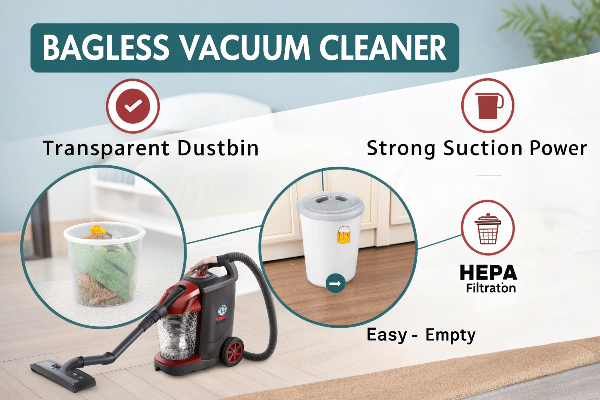
Here's a comparison of key features:
| Feature | Importance | Benefit |
|---|---|---|
| Transparent Dustbin | Easy monitoring of fill levels | Reduces unnecessary emptying |
| Strong Suction | Effective on various floor types | Ensures thorough cleaning |
| HEPA Filtration | Captures fine dust and allergens | Improves indoor air quality |
| Easy-Empty Design | Minimizes dust clouds during disposal | Cleaner, hassle-free emptying |
Seek lightweight, user-friendly designs with swivel steering and ergonomic handles for comfort. Versatile attachments like crevice, turbo brushes enhance cleaning. Consider washable filters[^4] to save costs. Avoid heavy models or those with poor filtration if allergies are a concern. A good vacuum strikes a balance between suction, maintenance, and comfort.
Common Pitfalls and What to Avoid When Buying
Avoiding common mistakes can save time and frustration.
Avoid vacuums with weak suction, poor filters, and hard-to-empty dustbins. Also, avoid models with small dustbins requiring frequent emptying. For instance, a study by Consumer Reports found that some bagless vacuums showed a 20% reduction in suction power within six months of use, which could significantly affect performance.
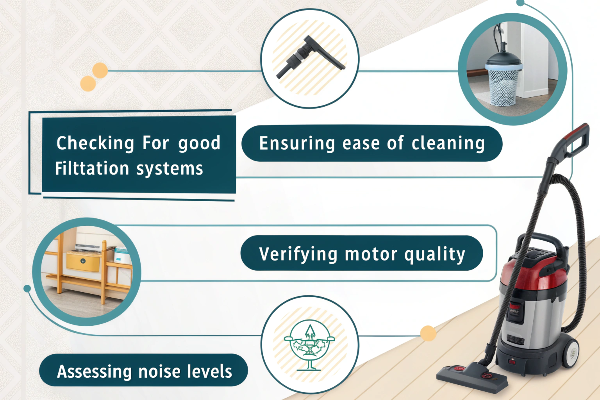
Don’t overlook clogging potential and maintenance needs. Avoid unnecessary high-tech features that boost cost without benefits. Consider suitability for home layout, avoiding heavy vacuums for stairs or small battery models for larger homes. Focus on core features like suction and ease of use.
Tips for Maintaining and Getting the Best Performance from Your Bagless Vacuum
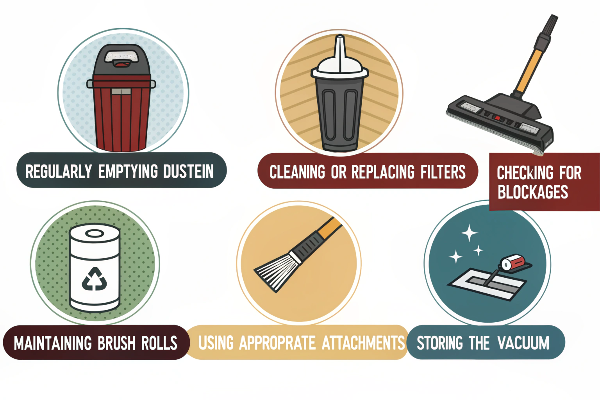
To keep your bagless vacuum running efficiently, consider these maintenance tips:
- Regularly empty the dustbin: Do this before it gets full to maintain suction power and reduce dust escape.
- Clean or replace filters: Do this every few weeks to keep filtration efficiency high.
- Check for blockages: This ensures smooth operation and avoids clogging.
- Maintain brush rolls: Remove hair and debris to keep attachments effective.
- Use appropriate attachments: Match these with surfaces to avoid overworking the vacuum.
- Store properly: Keep it in a clean, dry place to ensure longevity.
Remember to schedule deep cleaning as instructed, especially if the vacuum is washable. Avoid overfilling the dustbin as it decreases airflow and suction.
Conclusion
Selecting a high-quality bagless vacuum involves focusing on key features, avoiding common pitfalls, and maintaining it properly for the best performance.
[^1]: A transparent dustbin allows you to monitor fill levels easily, reducing unnecessary emptying and improving efficiency. [^2]: Understanding the significance of strong suction can help you choose a vacuum that effectively cleans various surfaces. [^3]: HEPA filters capture fine dust and allergens, significantly improving indoor air quality, especially for allergy sufferers. [^4]: Washable filters save costs on replacements and maintain filtration efficiency, making them a smart choice for budget-conscious users.
