
How Noisy Is Your Vacuum Cleaner?
Vacuum roar drowns out conversations daily. Your ears ring after cleaning sessions. Measuring sound levels resolves this widespread discomfort.
Acceptable home noise stays under 70 decibels. Certain vacuum types operate much quieter than others through intentional engineering.
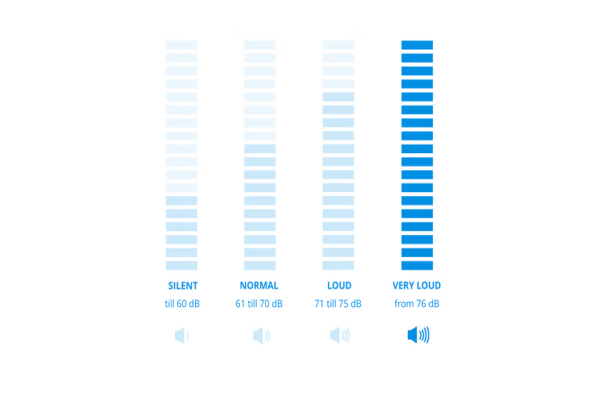
Understand noise thresholds, reduction methods, and quiet alternatives below.
What Noise Level Is Acceptable For Homes?
TV dialogues become inaudible during vacuuming. Frustration mounts during family cleaning hours.
Continuous exposure above 65dB becomes uncomfortable over time. Lower levels maintain domestic tranquility effectively.
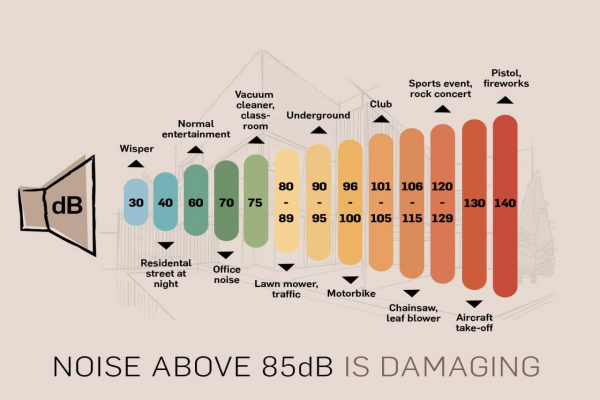
Two fundamental standards guide expectations. First, hearing protection regulations consider prolonged exposure above 85dB hazardous. Second, residential comfort typically caps at conversation-level 60-65dB. Bedtime cleaning demands under 50dB to avoid sleep disruption. Noise-sensitive households should prioritize vacuum cleaners below 65dB[^1]. Brick walls block 50% of sound transfer unlike drywall barriers. Always measure your unit’s output at 1-meter distance during maximum operation.
How Can I Reduce Vacuum Noise Effectively?
Constant drone disrupts remote work calls. Soundproofing attempts fail repeatedly against high-pitched whines.
Sealing intake leaks prevents turbulent air escapes. Vibration pads[^2] absorb harmonic buzzing instantly.
| Reduction Method | Implementation | Noise Decrease | Frequency Target |
|---|---|---|---|
| Filter Maintenance | Clean monthly, replace yearly | 3-5dB | High frequencies |
| Hose Wrap Insulation[^3] | Foam tubing around main hose | 4-7dB | Low resonance |
| Motor Vibration Pads | Rubber pads under motor base | 6-8dB | Harmonic buzzing |
| Door Sealing | Towels under doors while active | 2-4dB | Whole-room spread |
Check airflow pathways first since debris blockages force overworked motor strain. Foam-lined rollers absorb surface vibration better than hard plastic castings. Schedule cleaning during structural transitions using daytime ambient noise as cover. Heavy curtains outperform acoustic tiles for high-frequency containment in most living spaces. Avoid simultaneous appliance operation worsening cumulative noise pollution.
Which Vacuum Types Are The Quietest?
Upright vacuums startle pets constantly. You hesitate to clean with visitors present.
Canister designs[^4] consistently outperform alternatives in decibel ratings. New technology narrows the gap gradually.
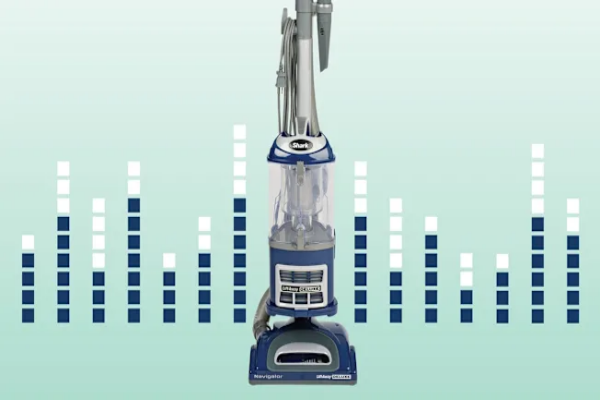
Traditional canisters average 62-68dB through separated motor placement dampening vibrations. Modern stick designs now hit comparable noise levels via brushless motor innovations that eliminate friction-based hum. Robotic cleaners dominate overnight cleaning at 55-60dB but sacrifice deep-cleaning power critical for carpets. Upright models remain loudest at 70-80dB due to concentrated components interacting directly with cleaned surfaces. Prioritize rubber-sealed gaskets to minimize clattering part interactions regardless of vacuum type.
Conclusion
Monitor decibel readings, implement silencing techniques, and select inherently quiet models for peaceful cleaning.
[^1]: Exploring vacuum options below 65dB can lead to quieter cleaning solutions, enhancing your home comfort. [^2]: Explore how vibration pads can effectively absorb noise and enhance your cleaning experience. [^3]: Learn about the advantages of hose wrap insulation in minimizing noise during vacuuming. [^4]: Discover why canister vacuums are preferred for quieter cleaning and their unique features.
