

How Long Do Vacuum Cleaners Last?
Your vacuum dies mid-week during heavy cleaning. Dust piles up faster than ever. My expertise solves this recurring headache.
Vacuum lifespan[^1] depends on type, maintenance frequency, and initial quality. Smart choices prevent premature replacements.
Discover how to extend your appliance's life through these critical insights.
Which Vacuum Type Has The Longest Lifespan?
Budget models fail after light carpet jobs. You face repeated replacement costs constantly.
Industrial-grade canisters[^2] consistently outlast other types due to robust builds. Home uprights require replacements sooner.
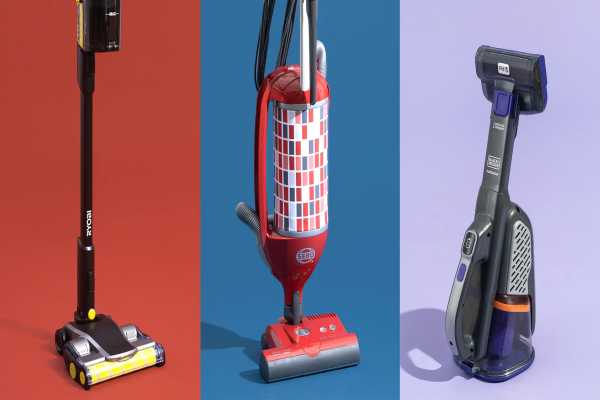
| Vacuum Type | Average Lifespan | Key Strengths | Vulnerability Points |
|---|---|---|---|
| Canister | 8-12 years | Metal housings | Hose connections |
| Upright | 5-7 years | Powerful motors | Brushroll mechanisms |
| Stick/Cordless | 3-4 years | Lightweight handling | Battery degradation |
| Robotic | 2-5 years | Automation convenience | Sensor calibrations |
Material choices directly impact longevity. Metal components resist wear far better than plastic housing. Higher-end models incorporate sealed bearings preventing early motor burnout. Internal wiring thickness matters during power surges. Frequent stair cleaning strains lighter models substantially. Industrial versions prioritize serviceability with accessible parts replacement.
How To Maintain Vacuum Cleaners Properly?
Filter neglect causes sudden suction loss. You panic before hosting guests.
Monthly maintenance rituals preserve peak function. Simple steps prevent domino-effect failures.
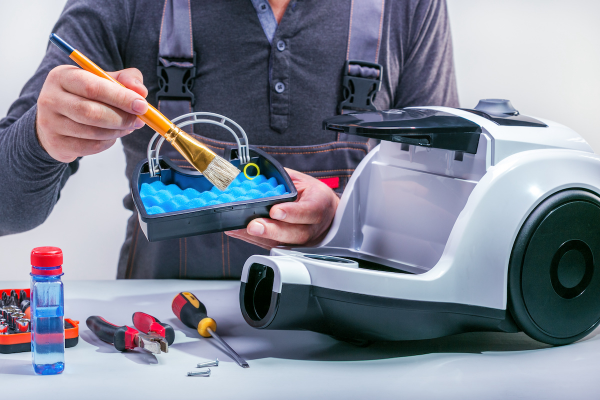
Three fundamental routines ensure optimal operation. First: filter cleaning[^3] rhythm critically impacts airflow consistency. HEPA filters require gentle tapping monthly and replacement annually. Second: rotating brushes demand hair removal after every third use to prevent belt snapping. Third: inspecting hose attachments prevents undetected airflow blockages that overwork motors. Lubricating moving parts quarterly reduces grinding wear and tear. Always store units upright avoiding dust intake through exposed ports.
Does Price Affect Vacuum Durability?
Expensive units fail surprisingly fast sometimes. You question value versus budget options.
Cost reflects materials, not guaranteed longevity alone. Premium certification matters more than pricing tiers.
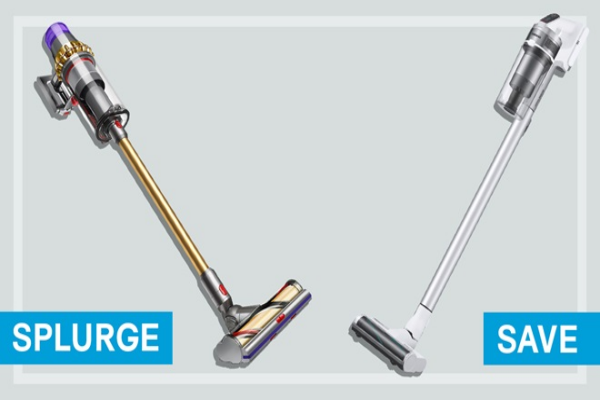
Higher prices typically indicate thicker copper wiring and metal gears rather than plastic equivalents. Certification labels like ISO manufacturers report strict material compliance you can verify independently online. However, mid-tier models with sealed bearings often outperform luxury units lacking essential protections. Always prioritize component serviceability over brand prestige. Replacement part availability proves crucial once warranties expire.
Conclusion
Match vacuum types to usage intensity, implement strict maintenance, and verify build quality over price-point hype.
[^1]: Understanding vacuum lifespan helps you make informed choices, ensuring you invest in a durable model that lasts longer. [^2]: Exploring the benefits of industrial-grade canisters reveals why they are a smart investment for long-term cleaning efficiency. [^3]: Understanding filter cleaning techniques is essential for maintaining vacuum performance and prolonging its lifespan.
