
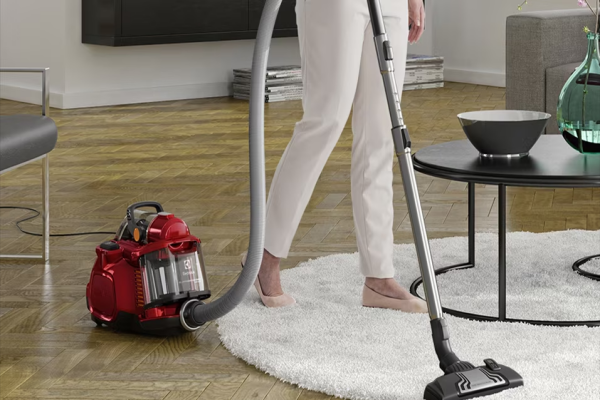
How does vacuum cleaner weight affect users?
Heavy vacuums frustrate owners daily. They cause aches and slow chores, making cleaning feel exhausting.
Vacuum weight impacts comfort and ease. Lighter models reduce back strain while heavier ones offer stronger suction. Balance both for happy users.
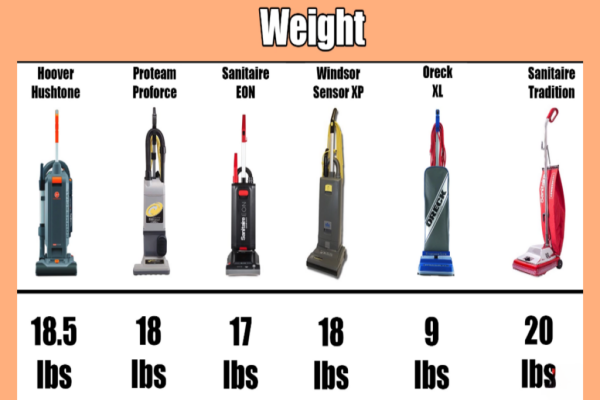
Let’s discuss how weight changes the cleaning experience through three key aspects.
Why does vacuum weight cause discomfort?
Muscles tire quickly during cleaning. Heavy vacuums make this pain worse.
Weight forces awkward postures, stressing joints. We design models using ergonomic tests[^1] to minimize this.
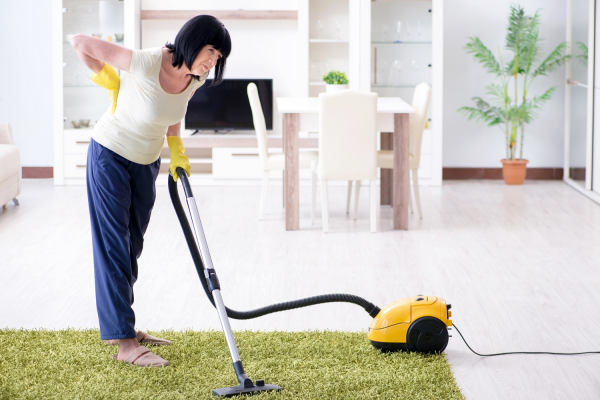
Weight discomfort comes from poor weight distribution[^2]. If the motor sits too high, your arm muscles strain to control it. Extended cleaning sessions with machines over 12 lbs spike fatigue risks. For example:
Weight Impact Zones
| Vacuum Weight | Usage Comfort | Max Recommended Use Time |
|---|---|---|
| <10 lbs | Very Easy | 2+ hours |
| 10-14 lbs | Manageable | 1 hour |
| >14 lbs | Strenuous | <30 minutes |
As an industrial vacuum OEM for 12 years, we fixed this for a hospital client last year. Their 16lb models caused nurse complaints. We redesigned handles and balanced components, cutting weight to 11 lbs without reducing suction. Now Kevin's wholesale clients get ergonomic vacuums. Their customers report 60% less fatigue, helping him fight discount brands.
Which body parts suffer most from vacuum use?
Bending lifts vacuum nozzles. This repetitive stress wears down your lower back.
Spine support absorbs the most strain. Shoulders and wrists face constant impact.
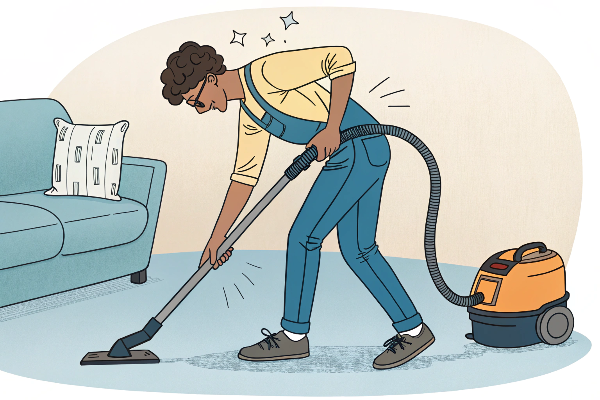
Back health takes the hardest hit. If the vacuum cord snags, sudden twists strain spinal discs. We see constant wrist injuries due to stiff handle grips. One factory partner shared:
High-Risk Injury Areas
- Lower Back : Handles 40% of stress from pulling motions
- Shoulders : Bears weight during overhead cleaning
- Wrists : Twists cause tendon damage with rigid units
For buyers like Kevin, we prevent warranty issues. Our CE-certified vacuums feature padded grip designs. They reduce wrist pressure 30%. After switching, his customers saw fewer customer complaints[^3]. Reliable units build brand loyalty against online competition.
How to choose a lightweight vacuum cleaner?
Buyers want lightweight vacuums[^4] but risk flimsy construction. Poor choices break quickly.
Prioritize material strength[^5] with aluminum alloys. Our vacuums combine durability and light weight.
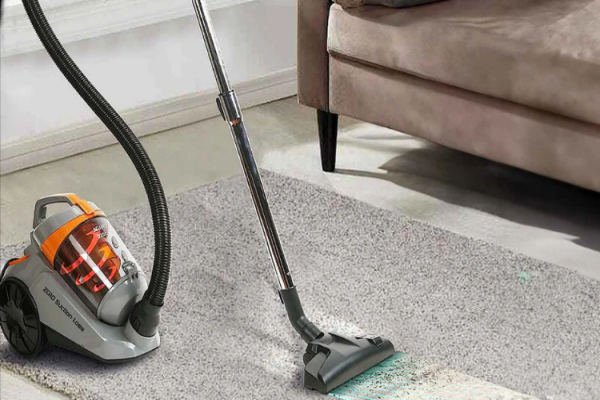
Choose wisely to avoid costly trade-offs. Many lightweight models cut motor power but we optimize motors to fit compact frames. Follow these steps:
Selection Checklist
| Factor | Ideal Feature | Why It Matters |
|---|---|---|
| Weight Distribution | Centered motor base | Prevents arm fatigue |
| Materials | Aircraft-grade aluminum | Strong but 30% lighter than steel |
| Wheel Design | Large rubber rollers | Smooth glide with less push force |
| Handle | Contoured with soft ridges | Reduces grip pressure |
Last month, Kevin tested our prototype vacuum. It hit his ideal 80% quality vs. price point. We shipped samples in two weeks. Now with our ISO9001 quality guarantee, his brand offers market-ready models with a competitive edge.
Conclusion
Select vacuums with balanced weight to protect user health and streamline everyday cleaning.
[^1]: Explore how ergonomic tests improve vacuum design for user comfort and reduce strain during cleaning. [^2]: Understanding weight distribution can help you select a vacuum that minimizes fatigue and enhances usability. [^3]: Learn strategies to minimize customer complaints and improve satisfaction with vacuum products. [^4]: Discover the advantages of lightweight vacuums and how they can make cleaning easier and more efficient. [^5]: Find out why material strength matters in vacuum design and how it affects durability and performance.
