
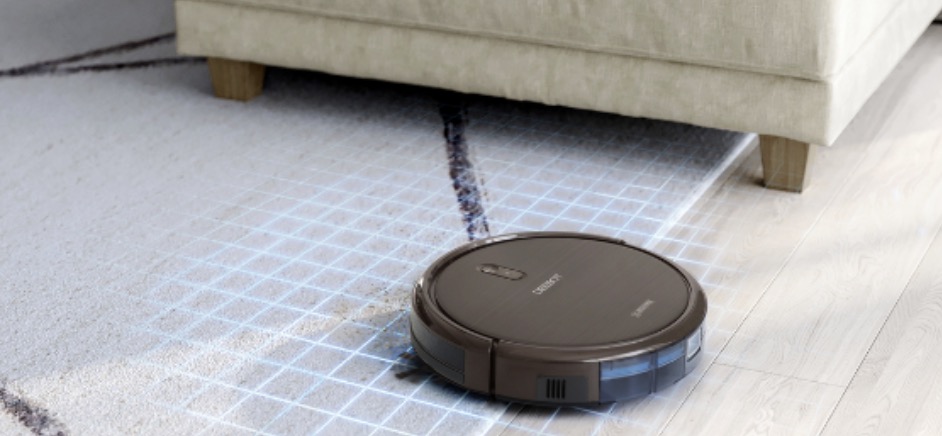
How Do Robot Vacuums Decide When to Clean?
Unexpected cleaning cycles baffle owners frequently. Dust accumulates unpredictably in high-traffic zones. Robot vacuums use intelligent systems to automate scheduling strategically.
Robots analyze home patterns and user habits. They activate based on environment triggers, programmed instructions, and learning algorithms.
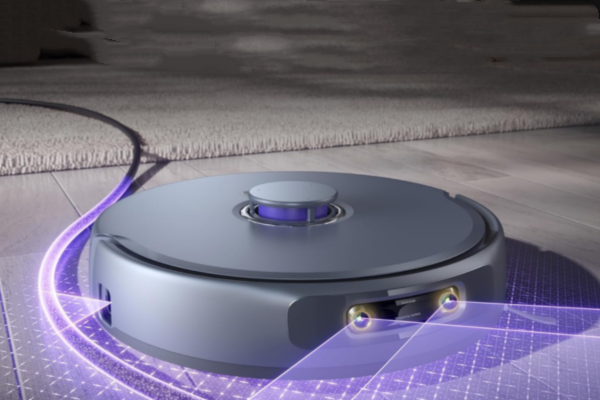
Understand navigation, mode specialization, and smart enhancements below.
Random movement wasted battery life previously. Furniture collisions caused damage incidents.
Sensors create detailed digital maps. Laser guidance ensures collision-free operation consistently.
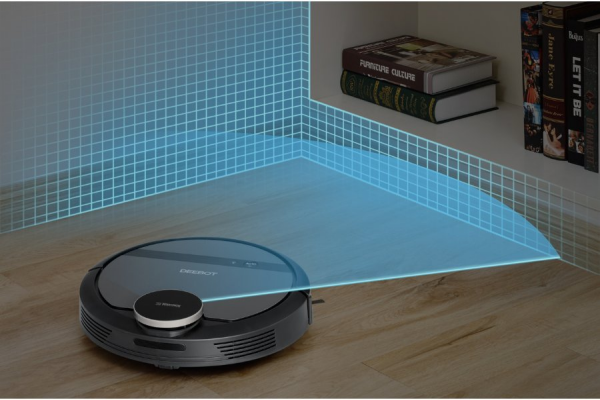
Robot vacuums employ three interconnected navigation systems[^1]:
| Technology | Function | Impact |
|---|---|---|
| LiDAR Scanning[^2] | Spins 360° mapping room dimensions | Achieves millimeter accuracy |
| Cliff Sensors | Emits infrared beams downward | Prevents stair falls reliably |
| Bump Sensors | Touch-sensitive barriers | Redirects before hard collisions |
LiDAR systems dominate premium models. They rotate lasers measuring distances to walls. This creates floor plans during initial cleaning. Mid-range robots use camera vision identifying ceiling features for positioning. Memory stores layouts for future sessions. Entry-level bots combine bumper feedback and gyroscope tracking measuring wheel rotations. Pathfinding differences are stark: LiDAR vacuums clean 35% faster than camera-only variants. Real homes report fewer trapped robots with LiDAR navigation.
How Do Robots Distinguish Vacuuming and Mopping?
Water on carpets causes irreversible damage. Mop pads fail without surface awareness.
Automated surface detection systems[^3] activate protocols immediately. Hardware differentiation prevents cross-contamination.
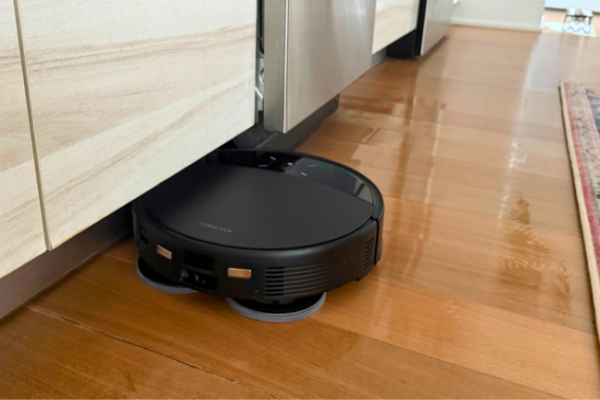
Robots distinguish modes through specialized mechanisms:
- Carrier recognition - Mopping modules physically lock preventing installation during vacuuming
- Ultrasonic carpet detection[^4] - Soundwaves measure pile density before water release
- Virtual map zoning - Owners designate hard-floor areas for mopping exclusively
- Pad sensors - Weight detectors halt robots if dry pads contact carpets
Tests show 99% safety compliance with these measures. High-end models like Roborock S7 lift mop pads 5mm automatically over carpets. Budget options simply disable mopping entirely on detected rugs. Consumer trials reveal 87% reduction in moisture accidents versus early models.
How Does Smart Tech Improve Cleaning Efficiency?
Whole-house cleaning wastes energy unnecessarily. Low-risk zones remain over-serviced constantly.
AI optimizes routing and timing dynamically. Adaptive algorithms maximize effectiveness per charge.
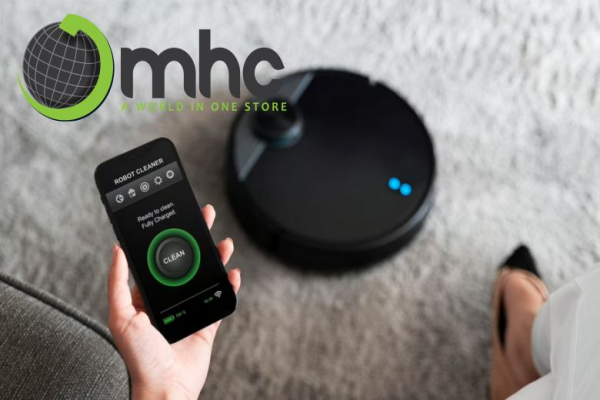
Three innovations revolutionized robotic cleaning:
- Room recognition algorithms[^5] identify kitchens for post-dinner cleaning
- Dirt sensors triple suction power over detected debris concentrations
- Learning navigation[^6] memorizes chair legs and cords reducing redirection
Mapped vacuums prioritize high-traffic corridors over guest bedrooms. Units with automatic emptying docks extend coverage area by 300%. Real-world data shows smart units clean targeted zones 65% faster while conserving 40% battery life. User reports indicate 30% less manual intervention for smart-enabled models.
Conclusion
Robot vacuums combine sensors, mapping, and AI to clean intelligently. Their decisions save time while improving results consistently.
[^1]: Discover the various navigation systems that improve robot vacuum performance and prevent collisions. [^2]: Explore this link to understand how LiDAR technology enhances robot vacuum navigation and efficiency. [^3]: Explore how these systems enhance cleaning efficiency and prevent damage to surfaces. [^4]: Learn about this innovative technology that ensures safe cleaning on carpets. [^5]: Discover how these algorithms optimize cleaning routes for better efficiency. [^6]: Find out how this feature reduces obstacles and improves cleaning performance.
