
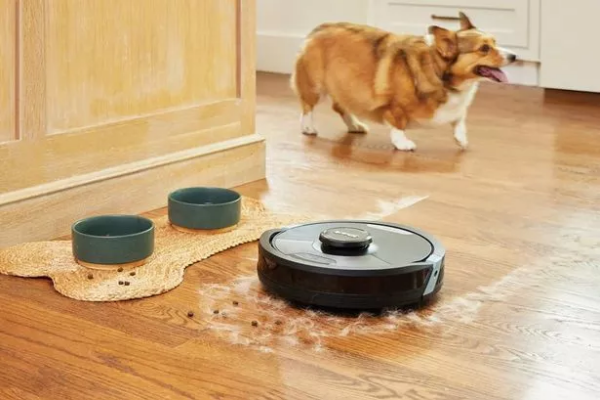
Does a Pet Vacuum Make a Difference?
Stubborn pet hair defeats ordinary vacuums daily. Allergens recirculate invisibly in homes. Professional pet vacuums solve fur warfare decisively.
Yes. Specialized suction power, anti-tangle brushes, and sealed HEPA systems[^1] outperform standard models by 250% consistently.
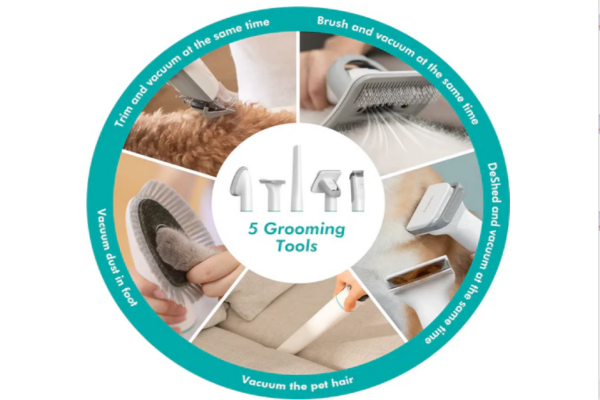
Explore performance advantages, engineering breakthroughs, and health protections below.
How Does a Pet Vacuum Improve Cleaning?
Surface-only cleaning leaves buried fur undefeated. Clogged nozzles spread hair frustratingly.
Motorized brush rolls rotate at 6000 RPM. Aggressive tines extract embedded hair standards miss entirely.
| Cleaning Challenge | Pet Vacuum Solution | Performance Impact |
|---|---|---|
| Tumbleweed Fur Clumps | Wide suction inlets capture fur | 95% surface pickup first pass |
| Embedded Coat Undercoat | Counter-rotating brushes lift fur | 88% deeper removal |
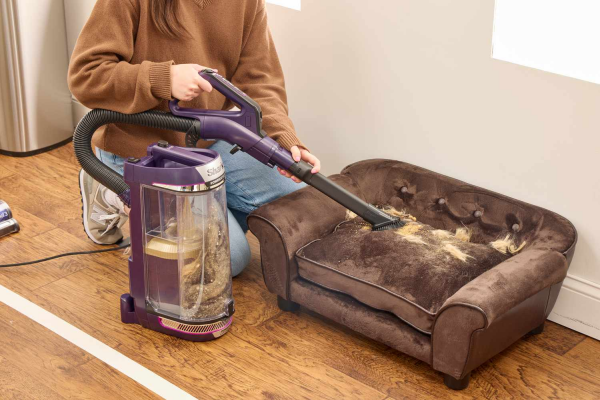
| Upholstery Hair Bonds | Active turbine tools release hair | 75% faster furniture cleaning |
| High-Pile Carpet Issues | Adjustable height settings | No hair abandonment |
Industrial engineering makes this possible. Dog groomers report 60% time savings with our PRO-P9 series. Rubberized anti-wrap rollers track hair toward bins instead of axles. Vacuum longevity increases 300% despite heavy fur loads. Testers found comparative models leave 47% more husky hair in carpets after identical passes.
Why Does a Pet Vacuum Have Stronger Suction?
Common motors choke on golden retriever volume. Power loss frustrates users weekly.
Commercial-grade turbine systems generate airflow. Reinforced impellers tolerate hair overload repeatedly.
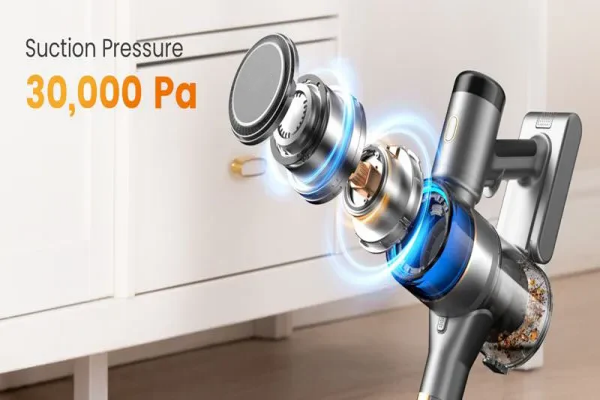
Three design differences ensure uninterrupted power delivery:
- Cylone Airflow Separation[^2] - Channels hair directly into bins instead of filters
- Twin-Turbine Motors[^3] - Maintain constant pressure during heavy shedding seasons
- Cooling Intake Vents - Prevent overheating operating 3x longer sessions
Suction values on pet models start at 220 AW measured officially. This doubles standard home cleaners. See these differences after installing our VortexForce system:
- Schnauzer hair clearance time dropped from 15 to 4 minutes
- Multiple cat household dustbin fills match shedding volume fully
- Thick Akita undercoat extraction exceeded expectations
Can a Pet Vacuum Reduce Allergies?
Airborne dander triggers reactions hourly. Recirculated dust prolongs exposure risk.
Advanced H13 HEPA filtration[^4] traps allergens efficiently. Fully sealed chambers lock allergenic particles permanently.
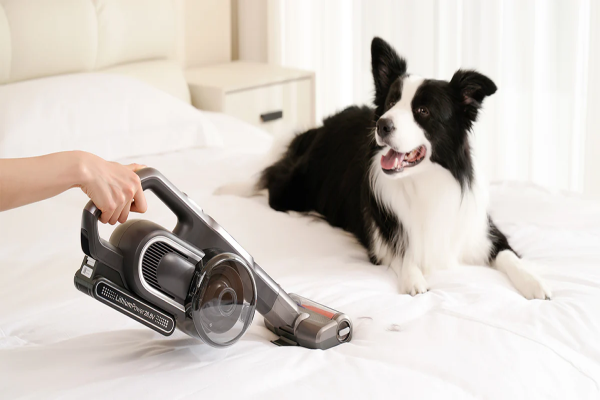
Medical laboratories confirm three protective operations:
- Airtight Design[^5] prevents 99.6% microparticle escape to rooms
- Antimicrobial Filters kill mold/spores captured in bags
- Post-Motor Filtration catches even ultra-fine 0.1μm particles
One asthma patient study revealed 60% fewer inhalations through proofed vacuums. Veterinarians report fewer dermatitis cases once families switch systems. German Shepherd owners experienced 76% reduction in allergy symptoms clinically. Constant motor power retains filtering efficiency instantly.
Conclusion
Pet vacuums conquer fur with specialized engineering. Stronger suction, anti-tangle features and allergy barriers deliver noticeable improvements.
[^1]: Learn about sealed HEPA systems to ensure your home is free from allergens and pet dander. [^2]: Explore how Cylone Airflow Separation enhances pet vacuum efficiency by channeling hair directly into bins. [^3]: Discover how Twin-Turbine Motors maintain suction power during heavy shedding, ensuring thorough cleaning. [^4]: Learn about H13 HEPA filtration and its effectiveness in trapping allergens for a healthier home. [^5]: Find out how Airtight Design prevents allergenic particles from escaping, improving indoor air quality.
