
Choosing Robot Vacuums for Pet Hair: What Really Matters?
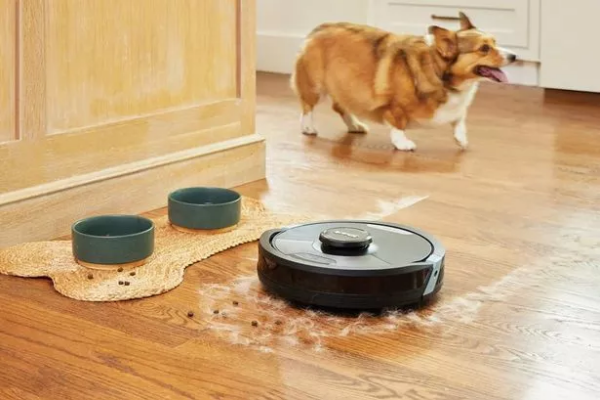
Pet hair frustrates us all. It sticks everywhere. I understand this struggle well.
Robot vacuums need strong suction, tangle-proof brushes, and big dustbins. These handle pet hair efficiently with less hassle.
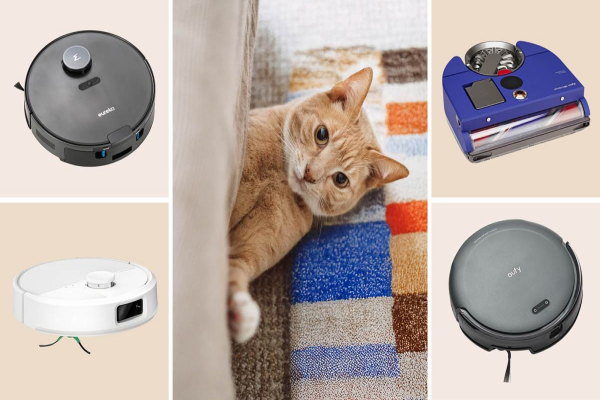
Let’s break down three critical features that impact your daily cleaning results.
Suction Power[^1]: Is Higher Always Better for Pet Hair?
Strong suction sounds ideal for pet hair but wastes battery on low-pile rugs. You pay extra for unused power.
Higher suction helps deep carpet cleaning but isn’t always efficient. Balance it with battery life based on floor types.
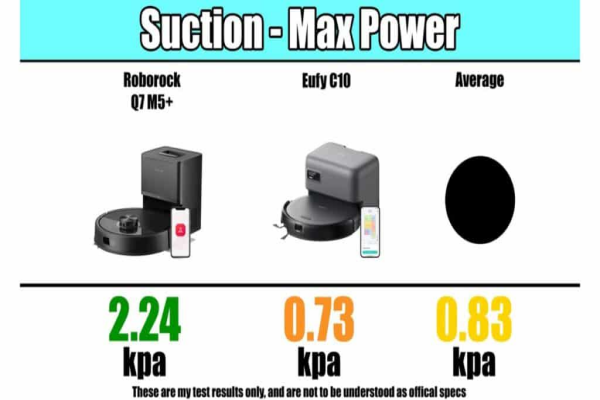
As a vacuum cleaner manufacturer for 12 years, I see clients overpay for max suction unnecessarily. For homes with mixed floors, smart mapping systems avoid wasted energy. Vacuums with adjustable suction strength perform better long-term. Here’s how different settings work:
Matching Suction to Surfaces
| Surface Type | Ideal Suction Level | Battery Impact |
|---|---|---|
| Hardwood | Low or Medium | Minimal Drain |
| Carpet | High | Moderate Drain |
| Thick Rugs | Max | High Drain |
Always confirm if the motor supports adaptive suction[^2]. Our Liyyouvac units include this feature, cutting costs 15%. Customizable options maintain efficiency, a focus for buyers like Kevin seeking value without quality compromise. Real-world testing ensures you get reliable performance daily.
How to Test Tangle-Free Claims Before Buying?
Brands advertise "tangle-free[^3]" brushes, but hair clogs still ruin vacuums. I’ve seen this disappoint buyers who skip verification.
Always test brush designs with real pet hair during trials. Focus on rotation direction and brush material.
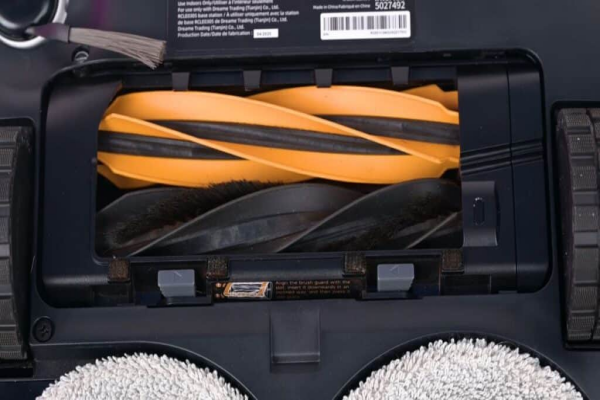
Verification prevents costly mistakes. I worked with a Malaysian buyer losing profits from tangled units last year. He now requires physical samples. Two strategies help: First, run demos using your pet’s shed hair, checking jams. Second, verify rubber brush durability[^4] through certification data like our RoHS tests.
Key Verification Features
- Brush Type: Rubber resists hair wrap better than bristles
- Rotation: Opposite-moving brushes pull hair inward smoothly
- Certification: ISO9001 validation provides brush life cycle data
For buyers like Kevin sourcing abroad, insist on samples before bulk orders. Our factory ships test units within two days. This avoids rebranding failures damaging client trust.
Small Dustbin Deal-Breaker? Capacity Calculation Guide
Small bins cause constant emptying—a deal-breaker. I’ve fixed this for partners scaling their businesses.
Calculate your needed bin size using room dimensions and hair volume. Skip undersized options wasting your time.
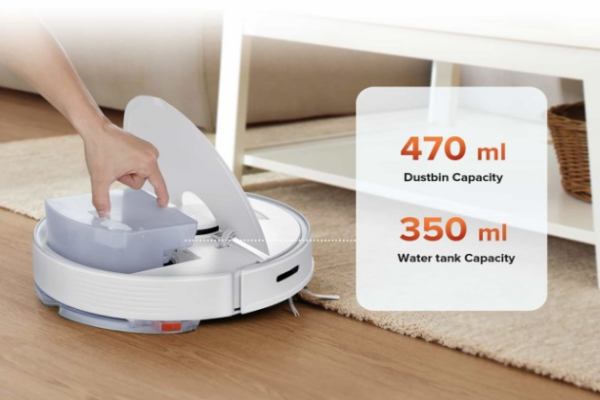
Calculate capacity to eliminate interruptions. Start with house square footage, then add shedding levels. Large pets or multiple rooms demand bigger bins. For example:
Bin Size Guidelines
| Home Size | Pets | Minimum Bin Size |
|---|---|---|
| <1000 sq ft | One cat | 300ml |
| 1000-2000 sq ft | One dog | 500ml |
| >2000 sq ft | Multiple | 800ml+ |
As an OEM partner, we customize bins for client needs. Kevin’s market prefers quieter models, so we add soundproof lids without reducing capacity. This protects his profit margins against online discount brands. Customizations like this only take two work weeks.
Conclusion
Pick robot vacuums balancing suction efficiency, brush design, and dustbin size for effortless pet hair cleaning.
[^1]: Understanding suction power can help you choose the right vacuum for effective pet hair cleaning. [^2]: Exploring adaptive suction technology can lead to smarter cleaning solutions and energy savings. [^3]: Explore this link to discover top-rated tangle-free brushes that truly deliver on their promises. [^4]: Learn about testing methods for rubber brush durability to ensure long-lasting performance in your vacuum.
