
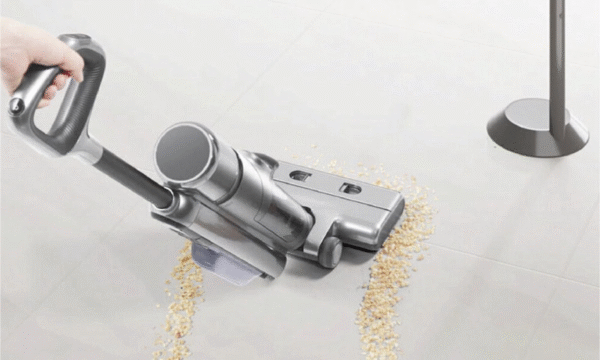
Can You Use a Wet and Dry Vacuum Cleaner to Clean Asbestos?
Dealing with asbestos and not sure about using a wet and dry vacuum?
A standard wet and dry vacuum cleaner should not be used to clean asbestos. For asbestos removal, only HEPA-filtered vacuum cleaners[^1] specifically designed for hazardous materials should be used to ensure safety and containment of asbestos fibers.
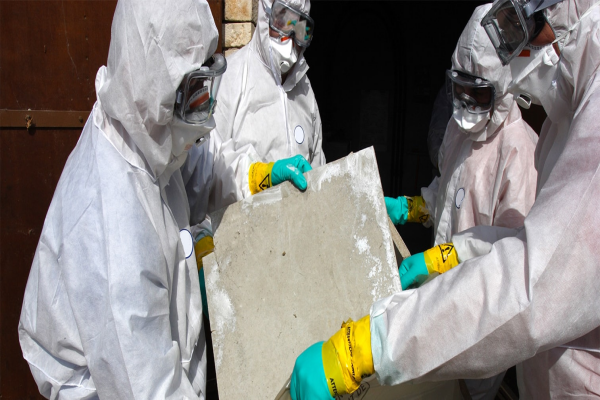
Ensuring proper equipment and methods for asbestos removal can protect health and comply with safety regulations.
Can a Vacuum Cleaner Be Safely Used on Wood Furniture?
Want to clean wood furniture effectively without damage?
Yes, a vacuum cleaner can be safely used on wood furniture with the right attachments. Use a soft brush or upholstery attachment to avoid scratching, and ensure the vacuum is set to a gentle mode to protect the wood surface.
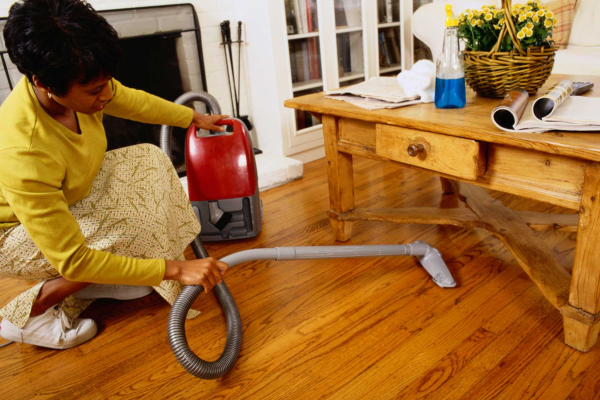
Keeping Wood Furniture Safe
To protect wood surfaces, tailoring your vacuum approach is key:
Proper Technique:
-
Choose Attachments:
- Soft brush attachments can reduce the risk of surface scratches.
-
Gentle Vacuum Settings:
- Opt for lower suction settings to prevent pulling splinters or damaging finishes.
Regular Maintenance:
- Prevent dust accumulation that can result in scratches.
- Regularly clean attachments to avoid transferring dirt back onto surfaces.
Can You Vacuum with a Wet Filter?
Worried if using a wet filter might harm your vacuum?
Vacuuming with a wet filter is not advisable, as it can lead to motor damage. Always ensure filters are completely dry before use to maintain performance and prevent mold development within the vacuum.
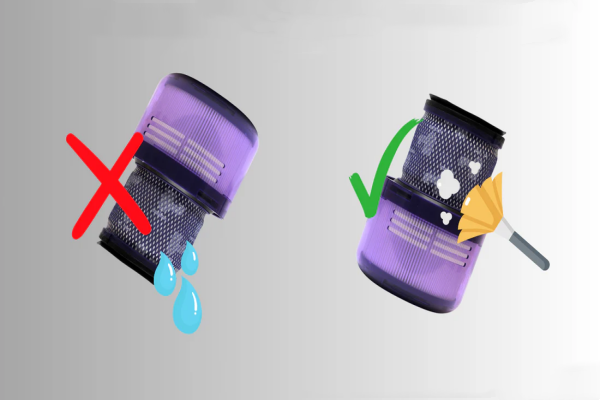
Preventing Damage from Wet Filters
Understanding the mechanics of your vacuum can help in preventing unnecessary damage:
Risk Factors:
-
Motor Impairment[^3]:
- Moist filters can allow moisture to reach the motor, leading to damage or short circuits.
-
Mold Growth:
- Humidity fosters mold, posing health risks and degrading vacuum efficiency.
Maintenance Tips:
-
Ensure Adequate Drying Time:
- Allow filters to air dry completely or use a heat source for thorough drying.
-
Routine Checkups:
- Regularly inspect filters for wear or mold signs, replacing them as needed.
How to Use a Shop Vac as a Water Pump - Woodworking?
Need to clear water from your woodworking area?
To use a shop vac as a water pump, attach a garden hose to the vacuum's output port if equipped with a pump function. Position the vacuum for flood-free drainage, ensuring hoses are securely connected and watertight for efficient water removal.
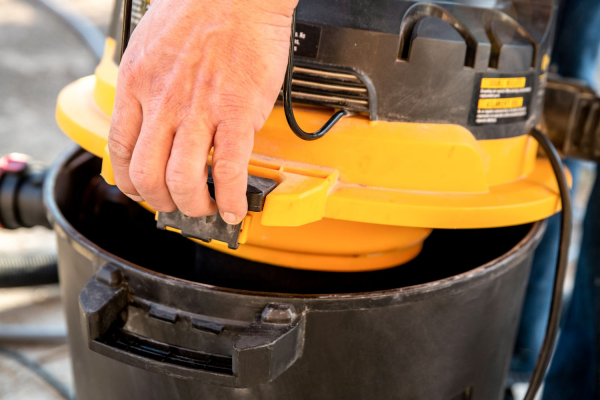
Setting Up Your Shop Vac for Water Pumping
Taking your shop vac's capabilities further in woodworking:
Essential Steps:
-
Select Pump-Compatible Vacuums:
- Not all shop vacs have pump functions—check your model specifications.
-
Secure Connections:
- Attach hoses to the designated outlet port firmly to prevent leaks.
Practical Considerations:
- Safety Measures:
- Ensure electrical components remain dry to avoid hazards.
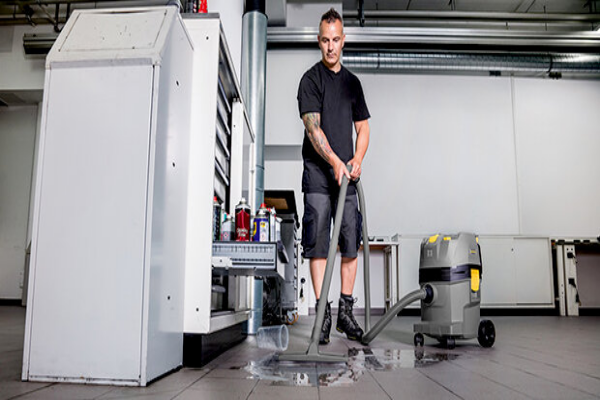
- Position the outflow hose to direct water into a safe drainage spot away from wood.
Conclusion
For hazardous materials like asbestos, specialized vacuums are necessary. Understand the nuances of safe vacuuming—be it for wood furniture or with filters—to prolong equipment life and ensure effective cleaning results.
[^1]: Explore this link to understand the importance of HEPA filters in safely removing hazardous materials like asbestos. [^2]: Explore this resource to understand the potential dangers of using a wet filter and how to avoid damaging your vacuum. [^3]: Learn about motor impairment in vacuums to ensure you maintain your equipment and prevent costly repairs. [^4]: This guide will help you effectively use your shop vac for water removal, enhancing your woodworking efficiency. [^5]: Discover best practices for water disposal to ensure safe and effective cleanup in your workspace.
