
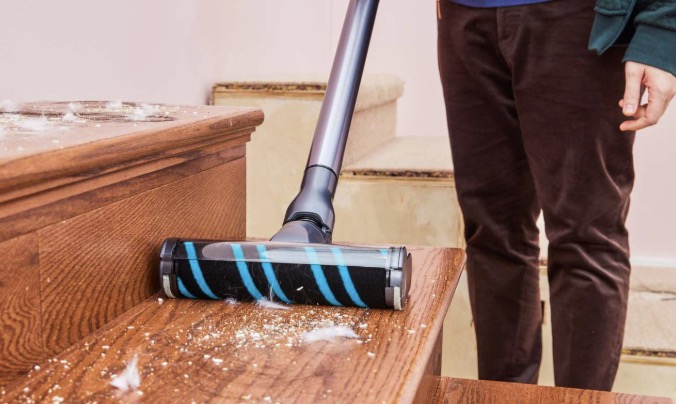
Can You Safely Vacuum Wood Furniture Without Damage?
Dust buildup ruins wood finishes gradually. Improper cleaning creates permanent scratches. The right technique preserves shine constantly.
Vacuuming wooden furniture can be safe when performed correctly. Use gentle suction[^1] and protective attachments. Test unseen areas first always.
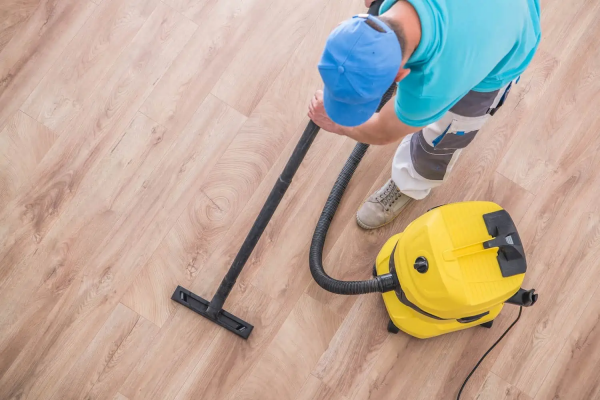
Discover scratch prevention[^2], attachment selection, and cleaning frequency below.
Will a Vacuum Cleaner Scratch Wooden Surfaces?
Some vacuum models leave visible scratches quickly. The wrong tools destroy furniture surfaces permanently.
Vacuum cleaners with plastic wheels and metal wands damage wood instantly. Softer attachments prevent micro-abrasions completely.
| Risk Factor | Impact Level | Prevention Method |
|---|---|---|
| Plastic Wheels | ★★★★★ | Lift vacuum off furniture |
| Metal Wands | ★★★★☆ | Use rubber-tipped alternatives |
| Brush Roll Contact | ★★★☆☆ | Disengage for bare wood |
| Dirt Impact | ★★★★★ | Pre-wipe surfaces first |
| Suction Power | ★★☆☆☆ | Reduce to minimum for dusting |
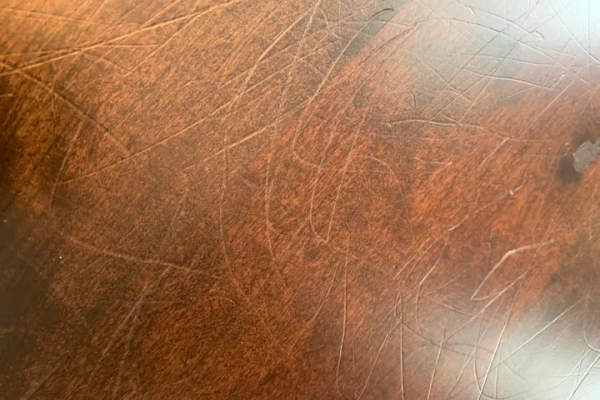
Three scratching mechanisms occur primarily. Plastic wheels grind grain surfaces causing circular patterns. Metal wands shift leaving thin line scratches directly. Brush rolls pick up debris which then acts like sandpaper across wood grains. Tests show reduced suction to 25% standard limits damage significantly. Piano technicians recommend horsehair tools[^3] for delicate surfaces where micro-scratches accumulate over time.
Which Vacuum Attachments Are Best for Wood Furniture?
Standard vacuum tools harm wood surfaces dramatically. Rough edges create visible lines frequently.
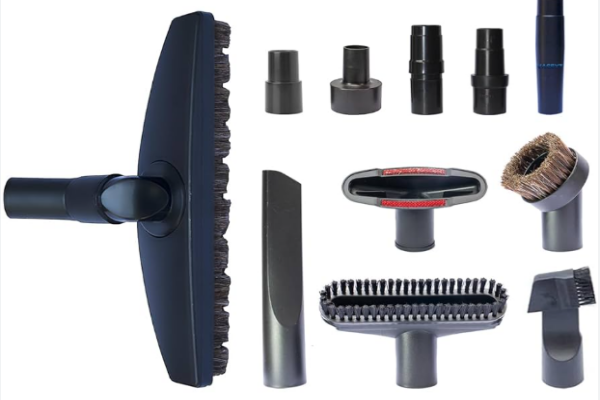
Soft-bristle brushes and microfiber tools[^4] protect wood perfectly. Avoid hard plastic nozzles completely.
| Attachment Type | Wood Safety | Cleaning Effectiveness | Edge Performance |
|---|---|---|---|
| Horsehair Dust Brush | ★★★★★ | ★★★☆☆ | ★★★★★ |
| Microfiber Sleeve | ★★★★★ | ★★★★☆ | ★★★★☆ |
| Soft Natural Bristles | ★★★★☆ | ★★★☆☆ | ★★★☆☆ |
| Velvet Nozzle | ★★★★☆ | ★★★★☆ | ★★★★☆ |
| Plastic Crevice Tool | ★☆☆☆☆ | ★★★★★ | ★★★☆☆ |
Optimal attachment selection follows clear priorities. Horsehair brushes absorb dust without scratching regardless of grain direction. Microfiber sleeves conform to uneven surfaces like carved details preventing edge damage. Natural bristle combinations resist static electricity attracting additional particles. Velvet-covered nozzles extend reach across delicate corners safely. Professional restorers warn against crevice tools with exposed metal bands creating frame indentations immediately.
How Often Should You Vacuum Wooden Furniture?
Some people dust wooden furniture only once yearly. Dust accumulation causes tiny scratches eventually.
Weekly vacuuming[^5] removes abrasive particles correctly. High-traffic areas need bi-weekly attention specifically.
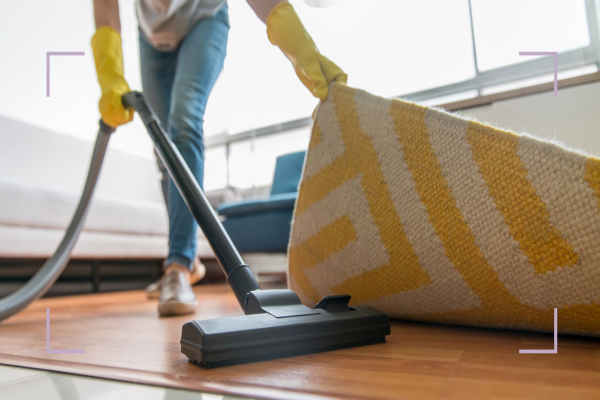
Wooden furniture maintenance frequency varies by environment:
| Environmental Factor | Recommended Frequency | Primary Benefit Achieved |
|---|---|---|
| Near Kitchens | Daily | Prevents grease film buildup |
| High Sunlight Areas | Twice Weekly | Reduces UV-dust bonding |
| Pet-Accessible Zones | Every 3 Days | Removes hair and dander quickly |
| Formal Dining Rooms | Monthly | Preserves polish integrity |
| Antique Display Cases | Bi-weekly | Prevents acid dust accumulation |
Seasonal adjustments[^6] preserve wooden surfaces optimally. Winter requires extra attention as forced air recirculates dust particles aggressively. Spring cleaning removes pollen that etches protective finishes naturally. Antiques specialists recommend vacuuming carvings before polishing to prevent scratches from trapped debris. Microfiber gloves should supplement vacuuming for preserving table edges effectively.
Conclusion
Wood furniture survives vacuum cleaning when compatible attachments and gentle techniques are used. Regular maintenance prevents permanent damage completely.
[^1]: Understanding gentle suction techniques can help you maintain your wood furniture's finish while cleaning. [^2]: Explore effective scratch prevention methods to keep your wooden surfaces looking pristine. [^3]: Find out why professionals recommend horsehair tools for their effectiveness in protecting delicate wood finishes. [^4]: Discover how microfiber tools can enhance your cleaning routine while safeguarding your wood furniture. [^5]: Discover the best practices for weekly vacuuming to maintain your wooden furniture's beauty and longevity. [^6]: Learn about seasonal adjustments to optimize the care of your wooden furniture throughout the year.
