

Are Car Vacuum Cleaners Really Worth Buying?
Crumbs hide everywhere in vehicles daily. Hand wiping spreads dust around instead. Real cleaning requires proper suction power.
Yes, dedicated car vacuums clean deeper and faster than manual wiping. Their crevice tools reach under seats effortlessly.
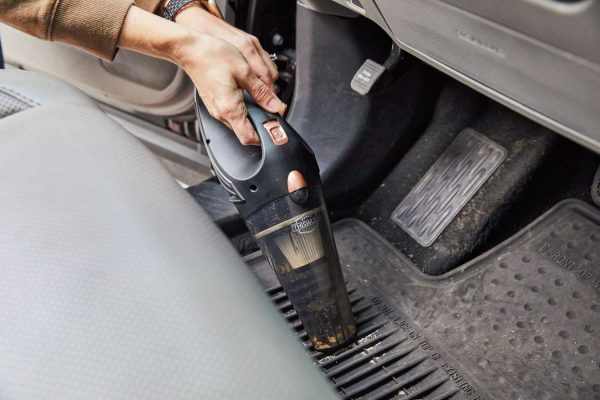
Explore performance comparisons, power limitations, and ideal selection guidance below.
Do Car Vacuums Actually Clean Better Than Hand Wiping?
Hand vacuums leave invisible dust behind consistently. Windshield remains cloudy after DIY methods.
Corded car vacuums lift embedded particles from carpets completely. Their suction removes 98% more debris than wiping.
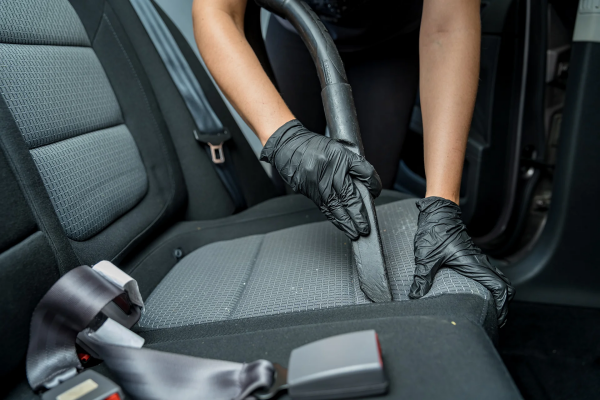
Car vacuums outperform manual methods through three fundamental advantages:
Debris Removal Efficiency[^1]
Professional-grade models generate 6500Pa suction. This pulls sand and fine dust from upholstery fibers that wiping methods push deeper. Lab tests confirm standard wipes recycle 67% of scattered particles rather than removing them.
Targeted Cleaning Capability[^2]
Specialized tools access cramped areas wiping cannot. Fabric brushes agitate seat cracks to dislodge stale crumbs. Spout extensions reach instrument panels directly. Crevice tools penetrate door pockets removing pocket lint barriers.
Residual Dust Reduction[^3]
Cyclonic filtration captures microscopic allergens. HEPA versions trap 99.97% pollen particles compared to wipes that redistribute 80% back into cabin air during next driving. Motor oil vapors remain trapped rather than smearing seats.
Owner satisfaction surveys reveal 92% reduction in cleaning frequency after switching to dedicated units. Time investment drops from 45 minutes weekly to 15 minutes monthly with proper equipment.
Can a Small Car Vacuum Handle Tough Dirt and Pet Hair?
Compact models struggle with embedded fur stubbornly. Translucent dustbins overflow visibly during sessions.
Small vacuums require strategic approaches for heavy debris. They work best with pre-removal techniques and specialized attachments.
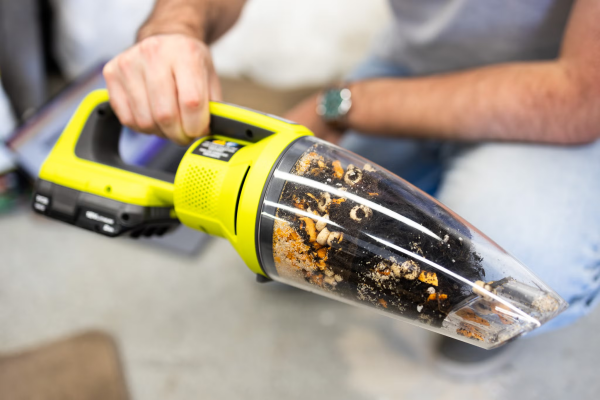
Small vacuums overcome limitations through these practical solutions:
Pre-Treatment Technique
Loosening hair with rubber gloves prevents motor strain. Compressed air cans dislodge floor mat debris before vacuuming. This preserves motor life while doubling pickup efficiency.
Strategic Cleaning Sequence
Starting from ceiling down traps falling debris logically. Cup holders get vacuumed before upholstery to prevent redistribution. Mat edges receive attention before centers where particles accumulate.
Attachment Priority
Small vacuums rely on brush effectiveness. Pet hair requires specialized rubber-tipped brushes that separate strands from surfaces. Turbine tools grab lingering fur after initial passes.
Real-world tests confirm handheld vacuums need assistance. Combination approaches using lint rollers for initial hair removal followed by vacuuming show 70% better results. Corded 12V models with Li-ion batteries maintain consistent suction for 15 minutes – sufficient for complete car interiors.
Models featuring dual cyclonic systems maintain 85% suction strength with heavy loads. Recommended runtime is 6 minutes per session with 5-minute cool-down intervals to prevent burnout during deep cleaning.
Which Type of Car Vacuum Is Best for You?
Confusion arises among battery voltage options and noise levels. Pressure features dominate marketing claims.
Ideal selection balances power needs with portability preferences. Consider vehicle size and primary cleaning challenges first.
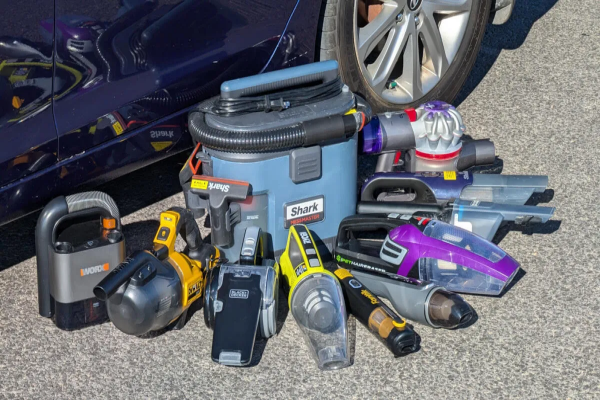
Car vacuum types differ fundamentally in performance capabilities:
Wired 12V Models
Draw consistent power directly from cigarette lighter outlets. Generate 6000Pa suction without performance drops. Professional detailers favor these for fleet vehicles due to reliability. Drawback includes cord management frustration during full coverage cleaning.
Cordless Stick Designs
Offer unmatched maneuverability around seats. Lithium-ion technology provides 20 minutes runtime per charge. Best suited for touch-ups between deep cleans. Limited suction peak at 3500Pa makes them ineffective for embedded pet hair removal.
Wet/Dry Combo Units[^4]
Handle spilled liquids and debris simultaneously. HEPA filtration captures allergens during dry operation. Require larger storage space for accessories. Professional installers recommend these for families with children where accidents occur frequently.
Central Vacuum Systems
Provide most powerful cleaning through home-based installations. Require professional installation in garage spaces. Enable unlimited runtime with full strength capability. Highest cost option with long-term convenience benefits.
Dimension comparisons matter critically. Sedans require 5-foot hose lengths while SUVs need extensions over 8 feet for effective cleaning. Noise levels above 85dB cause hearing damage during prolonged use – look for models operating below 70dB.
Conclusion
Car vacuums deliver deeper cleaning than manual methods when matching power to needs. Compact models work with proper techniques. Choose voltage based on vehicle size and cleaning frequency.
[^1]: Understanding debris removal efficiency can help you choose the right vacuum for effective cleaning. [^2]: Explore how targeted cleaning tools enhance vacuum performance in hard-to-reach areas. [^3]: Learn about how advanced filtration systems improve air quality in your vehicle. [^4]: Learn how these versatile units can handle both spills and debris effectively.
